Material Selection and Durability Analysis of Metal Tags with Holes
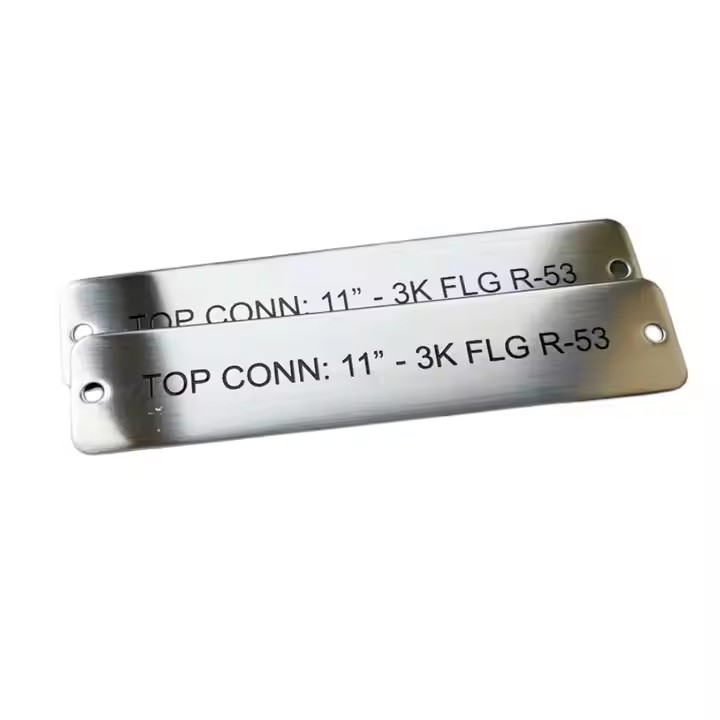
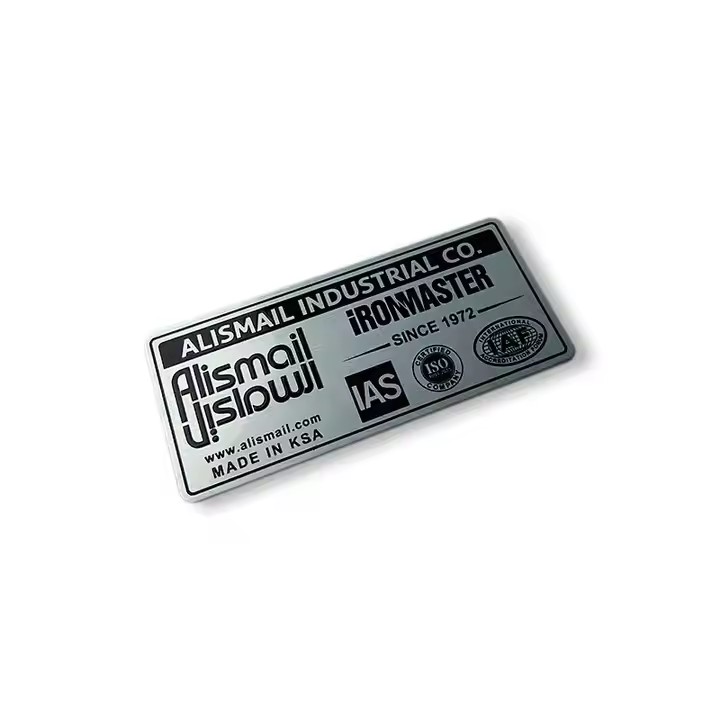
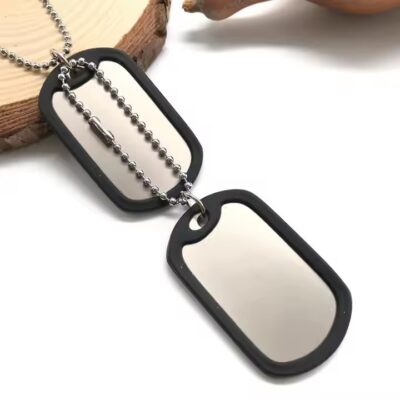
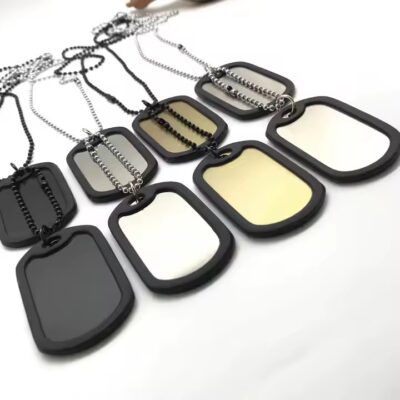
Metal tags with holes are essential components used for identification, labeling, and tracking in numerous industries. Choosing the right material is crucial to ensure these tags withstand the intended environment and maintain their functionality over time. This article discusses important considerations for material selection and provides an analysis of durability factors for metal tags with holes.
Key Considerations for Material Selection
-
Environmental Conditions
The environment in which the metal tag will be used heavily influences material choice. For outdoor or harsh industrial settings, materials must resist corrosion, extreme temperatures, and chemical exposure. -
Mechanical Strength
Tags often undergo physical stress such as bending, abrasion, or impact. Materials with high tensile strength and hardness can better endure these challenges without deforming or breaking. -
Weight and Flexibility
Depending on the application, the tag may need to be lightweight or flexible. Aluminum offers a balance of lightness and durability, while stainless steel provides strength but is heavier. -
Cost Efficiency
Budget constraints also play a role. While premium materials like titanium offer exceptional properties, more economical options like aluminum and brass often suffice for many applications. -
Compatibility with Marking Methods
The chosen material should work well with the intended marking technique, whether engraving, stamping, or printing, to ensure clear and lasting identification.
Common Materials for Metal Tags with Holes
-
Stainless Steel
Known for excellent corrosion resistance and mechanical strength, stainless steel is ideal for demanding environments, including marine and chemical industries. -
Aluminum
Lightweight and corrosion-resistant, aluminum is popular for general use and applications requiring easy handling. -
Brass
Brass offers good corrosion resistance and an attractive finish, commonly used for decorative or moderate-duty tags. -
Copper
Copper provides excellent conductivity and corrosion resistance but is softer, making it less suitable for heavy-duty applications. -
Titanium
Titanium combines high strength, corrosion resistance, and lightweight properties, making it premium but costly.
Durability Factors Affecting Metal Tags with Holes
-
Corrosion Resistance
Exposure to moisture, chemicals, and salt can degrade metal tags. Materials like stainless steel and anodized aluminum excel in resisting corrosion. -
Wear and Tear
Friction from chains, wires, or other contact points can cause wear. Harder metals and protective coatings help prolong tag life. -
UV and Weather Resistance
Outdoor tags must withstand UV radiation and weather changes. Certain materials and finishes provide superior resistance. -
Hole Integrity
The area around the hole is prone to stress concentration and potential cracking. Proper material choice and hole design (such as rounded edges) reduce damage risk.
Conclusion
Selecting the right material for metal tags with holes is vital to ensure durability, performance, and cost-effectiveness. Understanding environmental demands, mechanical stresses, and marking compatibility helps manufacturers and buyers make informed choices. By choosing suitable materials like stainless steel, aluminum, or brass, metal tags can deliver reliable service in a wide range of applications.