Introduction
Choosing the right metal pet ID tag is crucial for your pet’s safety and comfort. A well-made ID tag helps ensure your pet can be easily identified and returned if lost. With various materials, sizes, and customization options available, selecting the perfect tag can feel overwhelming. This guide will help you understand key factors to consider when choosing a metal pet ID tag.
1. Consider the Material
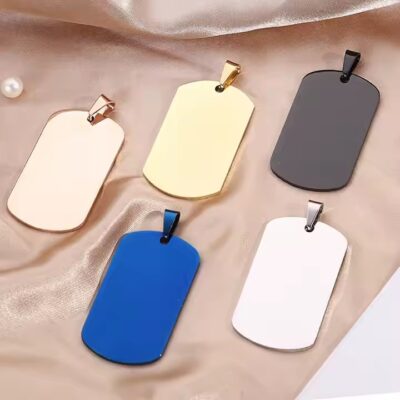
The material affects durability, weight, and appearance. Common metals include stainless steel, aluminum, brass, and copper. Stainless steel is highly durable and hypoallergenic, aluminum is lightweight and colorful, brass offers a classic look, and copper has a unique patina. Choose a material that fits your pet’s activity level and your style preferences.
2. Choose the Right Size and Shape
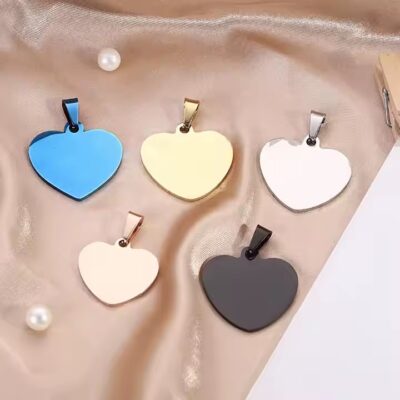
Size matters for comfort and readability. Smaller pets need lighter and smaller tags, while larger pets can carry bigger tags that allow for more information. Popular shapes include round, bone-shaped, heart-shaped, and custom designs. Make sure the tag size suits your pet’s breed and collar.
3. Prioritize Clear Engraving
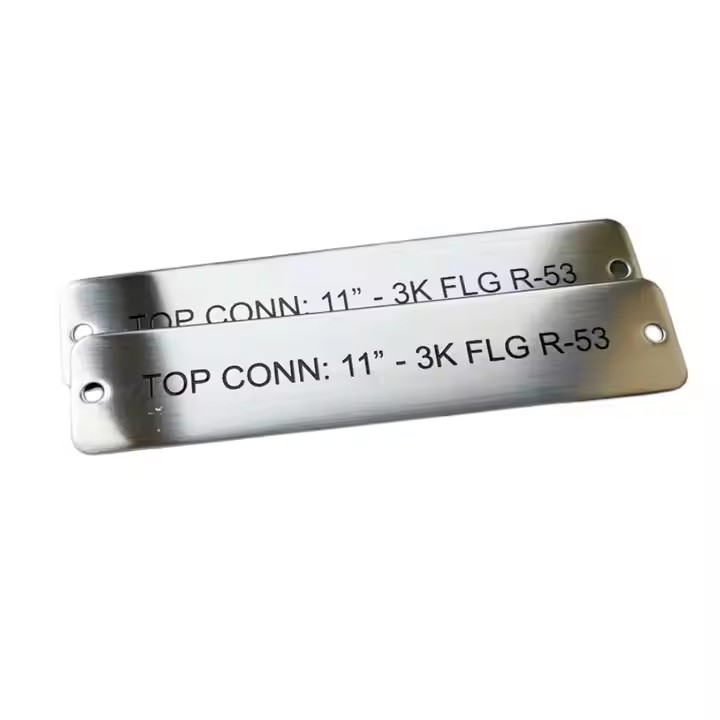
The information on the tag must be clear and legible. Opt for engraving over printing, as engraving lasts longer and withstands wear better. Include essential details such as your pet’s name, your phone number, and any medical conditions.
4. Check Durability and Weather Resistance
Pets often explore outdoors, so the tag should resist water, rust, and scratches. Materials like stainless steel and anodized aluminum offer excellent weather resistance. Consider tags with protective coatings to enhance longevity.
5. Personalization and Style
Personalized tags can reflect your pet’s personality. From custom shapes and colors to unique fonts and graphics, many manufacturers offer various customization options. Choose styles that suit your pet while maintaining functionality.
6. Attachment Method
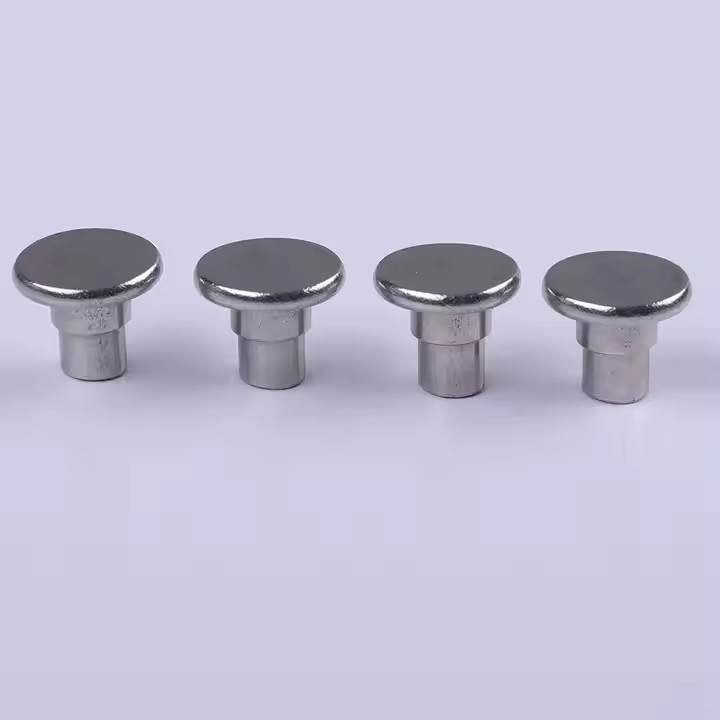
Ensure the tag securely attaches to your pet’s collar. Common attachment methods include split rings, quick-release clips, and rivets. The attachment should be sturdy enough to avoid loss but easy to remove when needed.
Conclusion
Selecting the right metal pet ID tag involves balancing durability, comfort, readability, and style. By considering material, size, engraving clarity, and attachment options, you can choose an ID tag that keeps your pet safe and looking great. Investing in a quality pet tag is a simple yet effective way to protect your beloved companion.