How Metal Valve Tags Perform in Corrosive Environments
Valve tags are essential for identifying and tracking pipes, valves, and equipment across industries. However, in corrosive environments—such as chemical plants, marine facilities, and wastewater treatment systems—tag performance depends heavily on material durability and resistance to chemical exposure, moisture, salt, and temperature.
This article explores how metal valve tags perform under corrosive conditions and which materials offer the best long-term reliability.
1. Understanding Corrosive Environments
A corrosive environment contains substances that degrade materials over time. These substances include:
-
Saltwater or brine (marine applications)
-
Acids and alkalis (chemical plants, refineries)
-
High humidity or steam (food processing, paper mills)
-
Cleaning chemicals and industrial solvents
In such conditions, metal tags must retain legibility and physical integrity to support safety, compliance, and maintenance operations.
2. Common Corrosion Challenges for Valve Tags
Metal valve tags in corrosive settings may suffer from:
-
Rust or oxidation
-
Pitting or surface damage
-
Fading of engraved or printed markings
-
Mechanical failure from weakened mounting parts
To prevent these issues, material selection and mounting method are critical.
3. Material Performance in Corrosive Environments
🔹 Stainless Steel (Grade 316)
Performance: ★★★★★
-
Exceptional resistance to rust, salt spray, and most acids
-
Ideal for marine, offshore, and chemical processing environments
-
Maintains structural strength and legibility over decades
Recommended Use:
Coastal facilities, oil & gas platforms, chemical plants
🔹 Aluminum (Anodized or Coated)
Performance: ★★★★☆
-
Lightweight with moderate corrosion resistance
-
Anodized or powder-coated options improve durability
-
May degrade faster in high-salt or acidic environments
Recommended Use:
HVAC, water treatment, general industrial indoor use
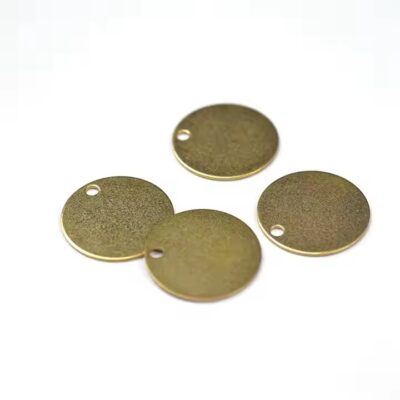
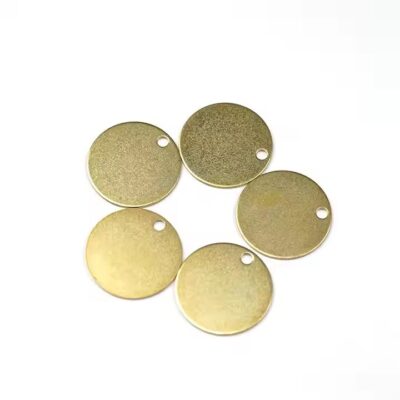
🔹 Brass
Performance: ★★★☆☆
-
Good resistance to water and mild chemicals
-
Can tarnish or discolor over time in salt or acid exposure
-
Often used for aesthetic or indoor valve tagging
Recommended Use:
Commercial buildings, indoor mechanical rooms
🔹 Plastic (Comparison)
Performance: ★★☆☆☆
-
Easily damaged by chemicals or UV
-
Not suitable for corrosive environments
-
Included here for contrast only
4. Best Practices for Valve Tagging in Corrosive Areas
To maximize tag longevity:
-
Use laser-engraved stainless steel (316L) for high corrosion zones
-
Avoid painted or printed-only tags in harsh settings
-
Use corrosion-resistant chains or wires (stainless steel or coated cable)
-
Inspect tags regularly for damage or fading
-
Label with clear, deep engravings that remain legible over time
5. Industry Applications Requiring High Corrosion Resistance
-
Marine Engineering: Stainless steel tags resist salt spray and humidity
-
Chemical Processing: Must withstand acid and solvent exposure
-
Wastewater Treatment: Constant moisture and microbial corrosion
-
Pharmaceutical Manufacturing: Steam and frequent cleaning cycles
-
Oil & Gas Industry: Harsh outdoor and underground pipeline environments
6. Summary
In corrosive environments, not all valve tags are created equal. Stainless steel—especially 316 or 316L grade—is the top choice for maximum durability and corrosion resistance. Aluminum can be suitable in less aggressive conditions with proper coating, while brass and plastic are best used in low-risk or indoor applications.
By choosing the right materials and mounting methods, metal valve tags can provide years of reliable service even in the toughest industrial environments.