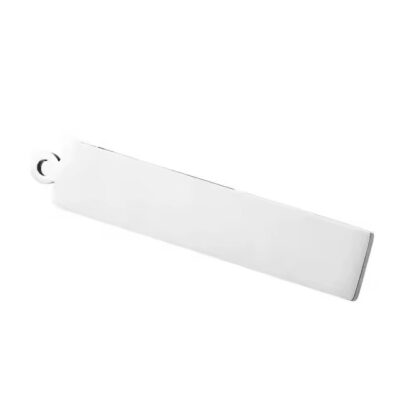
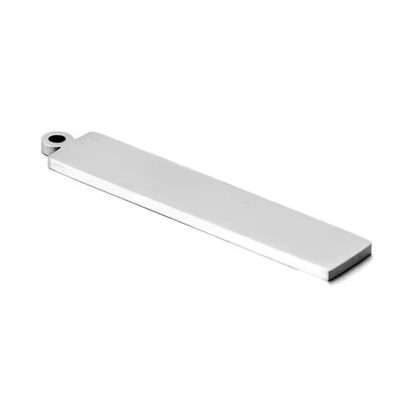
How to Customize High-Quality Rectangle Metal Tags?
Rectangle metal tags are a popular choice for labeling, branding, and identification across many industries. Customizing these tags to meet specific needs ensures they are both functional and durable. This guide walks you through the key steps to create high-quality custom rectangle metal tags.
1. Choose the Right Material
The foundation of a high-quality metal tag starts with selecting the appropriate material:
-
Stainless Steel: Offers excellent durability and corrosion resistance, ideal for harsh environments.
-
Aluminum: Lightweight and corrosion-resistant, perfect for general-purpose tags.
-
Brass/Copper: Provides a premium look with good durability, often chosen for decorative tags.
2. Determine the Size and Shape
Rectangle tags come in various sizes, so choose dimensions based on your application:
-
Small tags for compact equipment.
-
Medium tags for asset tracking and identification.
-
Larger tags for branding or detailed information.
Ensure that the tag size allows enough space for your required text or graphics while maintaining portability.
3. Design the Tag Layout
Effective design maximizes readability and aesthetics:
-
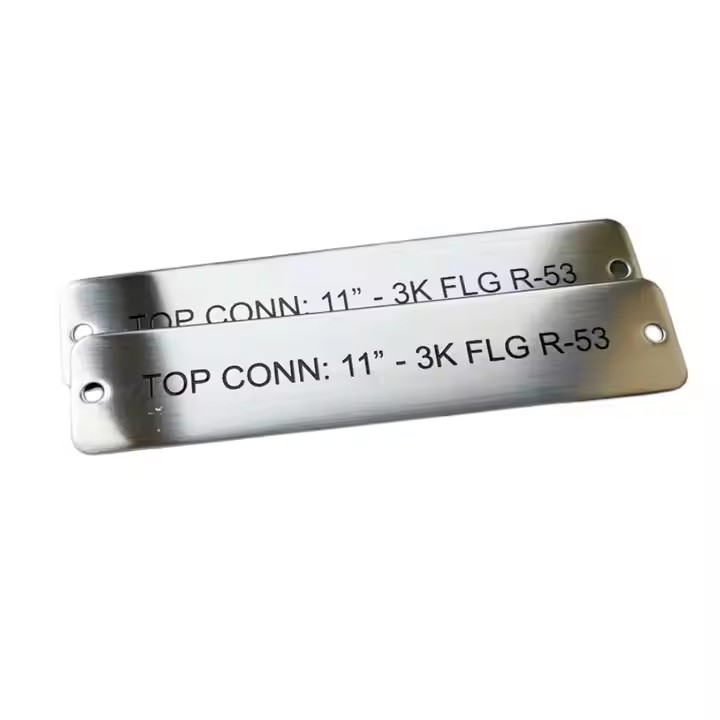
Use clear fonts with appropriate sizes (typically between 6pt and 12pt).
-
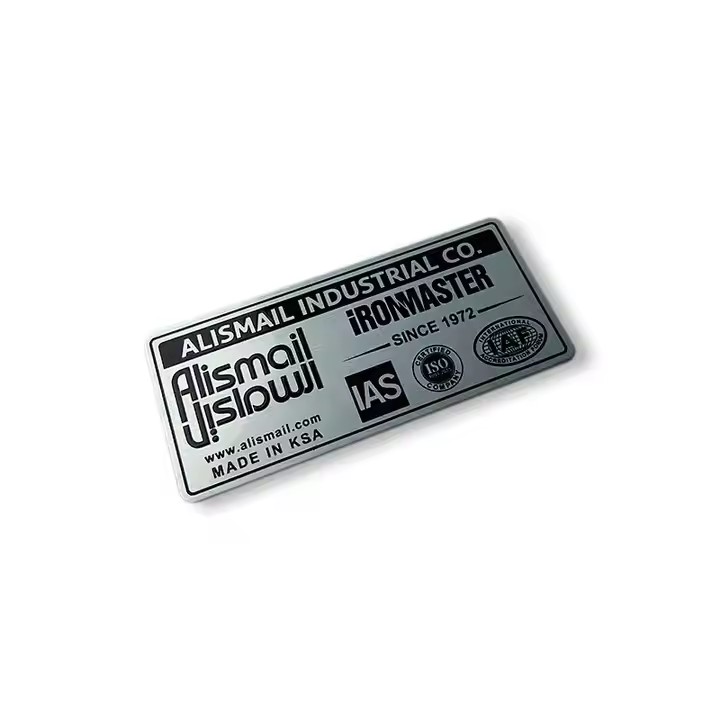
Arrange text and logos thoughtfully, leaving sufficient margins.
-
Include mounting holes where necessary, typically at corners.
4. Select Engraving or Printing Methods
Customization often involves marking the tag with text, logos, or barcodes:
-
Laser Engraving: Offers precision and durability, ideal for detailed designs.
-
Etching: Creates recessed marks that resist wear.
-
Printing: Suitable for colorful designs but may require protective coatings.
5. Choose Surface Finishes
The surface finish affects both appearance and durability:
-
Matte or Brushed: Hides scratches and fingerprints.
-
Polished: Provides a shiny, premium look.
-
Anodized: Adds color options and enhances corrosion resistance.
6. Confirm Quality Control Standards
Ensure your manufacturer follows strict quality control to check:
-
Accurate dimensions and hole placement.
-
Clear, durable markings.
-
Consistent finishes without defects.
7. Final Packaging and Delivery
Proper packaging protects tags during transport and facilitates easy handling upon arrival.
Conclusion
Customizing high-quality rectangle metal tags involves careful consideration of material, size, design, marking methods, and finishing. By following these steps and collaborating with reliable manufacturers, you can obtain durable and visually appealing tags tailored to your specific needs.