


How to Choose the Right Size and Shape for Custom Shaped Tags
How to Choose the Right Size and Shape for Custom Shaped Tags Choosing the right size and shape for custom shaped tags is crucial for maximizing their effectiveness, whether for branding, identification, or functional purposes. A well-chosen tag enhances visibility, fits its application perfectly, and reinforces brand recognition. Here’s a comprehensive guide to help you make the best decision. Understand the Application Environment The first step is to consider where and how the tag will be used: Indoor vs Outdoor: Outdoor tags may require larger sizes for better visibility and durability. Surface Type: Tags attached to curved, flat, or…

Design Process and Key Considerations for Custom Shaped Tags
Design Process and Key Considerations for Custom Shaped Tags Custom shaped tags provide a unique opportunity to enhance brand identity and improve product functionality. However, designing these tags requires careful planning and attention to multiple factors to ensure the final product meets both aesthetic and practical requirements. This article outlines the typical design process and important considerations for creating effective custom shaped tags. Step 1: Understand the Purpose and Application Before beginning the design, clearly define the purpose of the tag. Ask questions like: What information or branding needs to be displayed? Where will the tag be used…

What Are Custom Shaped Tags? A Comprehensive Overview and Applications
What Are Custom Shaped Tags? A Comprehensive Overview and Applications Custom shaped tags are specially designed metal or plastic labels created in unique shapes tailored to meet specific business or industrial needs. Unlike standard rectangular or circular tags, custom shaped tags provide distinctive branding opportunities and functional benefits by conforming to particular designs, logos, or application requirements. Materials Used for Custom Shaped Tags Custom shaped tags can be manufactured from various materials, including: Aluminum: Lightweight, corrosion-resistant, and cost-effective. Brass/Copper: Durable with an elegant appearance, suitable for premium branding. Stainless Steel: Extremely durable and resistant to harsh environments. Plastic…
Main Manufacturing Processes of Brass/Copper Tags: Stamping, Etching, and Laser Engraving Explained
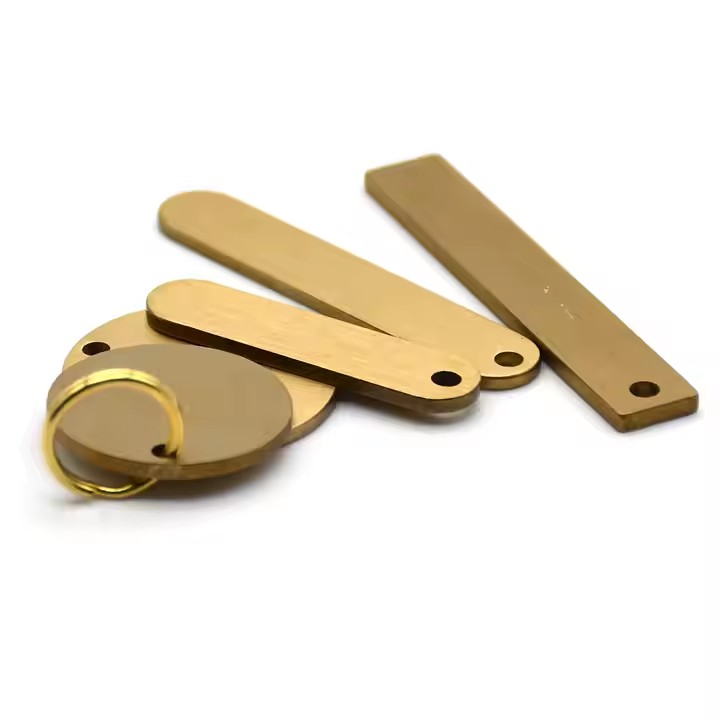
Introduction Brass and copper tags are widely used in various industries due to their durability and attractive appearance. To meet diverse application needs, manufacturers use different processes to produce these metal tags. The three main manufacturing methods are stamping, etching, and laser engraving. Understanding these processes helps you choose the right tag for your specific requirements. 1. Stamping Process Stamping is a traditional and cost-effective method where metal sheets are cut and shaped using a stamping press and dies. This process is ideal for producing large quantities of uniform tags with consistent shapes and sizes. Advantages of Stamping:…
Why Choose Brass/Copper Tags for Industrial Labeling? Key Benefits Explained
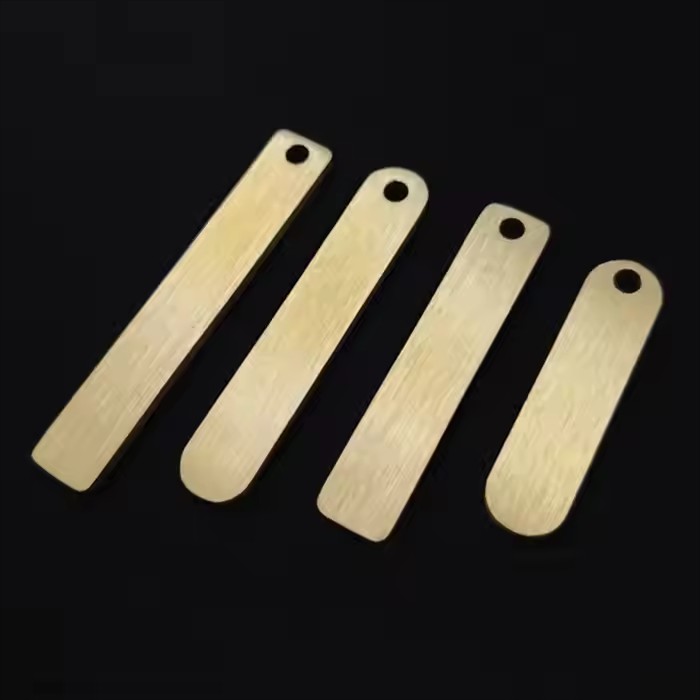
Introduction In industrial environments, durable and reliable labeling is crucial for equipment identification, asset tracking, and safety compliance. Brass and copper tags have long been trusted materials for industrial labeling due to their exceptional physical properties and versatility. This article explores why brass and copper tags remain the preferred choice for industrial applications. Durability in Harsh Conditions Industrial settings often expose labels to extreme temperatures, moisture, chemicals, and mechanical wear. Both brass and copper tags offer superior durability compared to plastic or paper labels. Their metal composition ensures resistance to cracking, fading, and deformation, providing long-lasting identification solutions.…
Difference and Advantages of Brass Tags vs Copper Tags: A Comprehensive Comparison
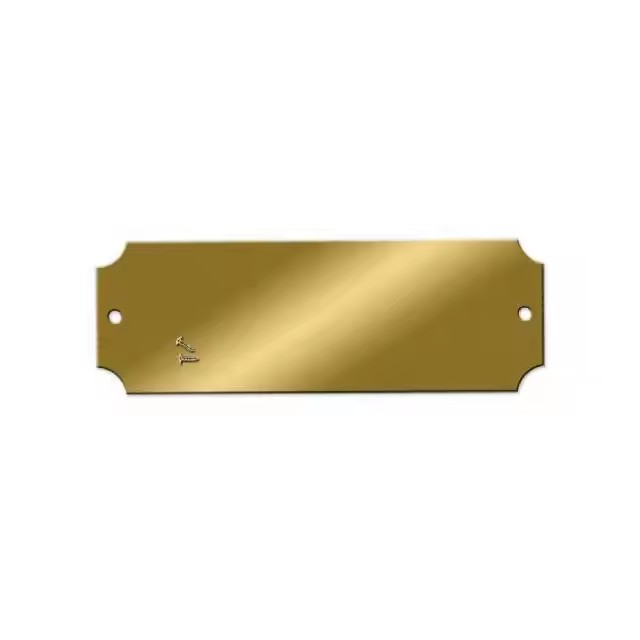
Introduction Brass and copper tags are widely used in various industries for labeling, identification, and decorative purposes. Although both metals have similar appearances and share some properties, they have distinct differences that affect their performance, durability, and applications. This article provides a comprehensive comparison of brass tags and copper tags to help you make an informed choice. What Are Brass Tags? Brass is an alloy primarily composed of copper and zinc. The addition of zinc enhances brass’s strength and corrosion resistance compared to pure copper. Brass tags are popular for their golden-yellow color, durability, and resistance to tarnishing,…
How to Laser Engrave on Blank Metal Tags: A Step-by-Step Guide
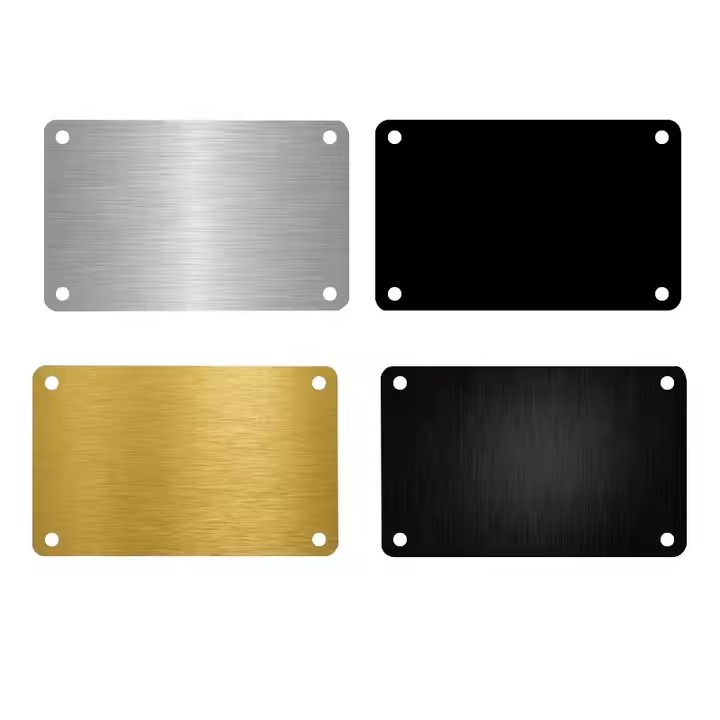
How to Laser Engrave on Blank Metal Tags: A Step-by-Step Guide Laser engraving is a popular and precise method to customize blank metal tags, offering high durability and professional-quality results. Whether you are personalizing tags for industrial use, branding, or gifts, understanding the laser engraving process can help you achieve optimal outcomes. This guide covers the essential steps, equipment, and tips for laser engraving on blank metal tags. Why Choose Laser Engraving for Metal Tags? Precision and Detail: Laser engraving can produce intricate designs, fine text, and sharp lines. Durability: The engraving is permanent and resistant to wear,…
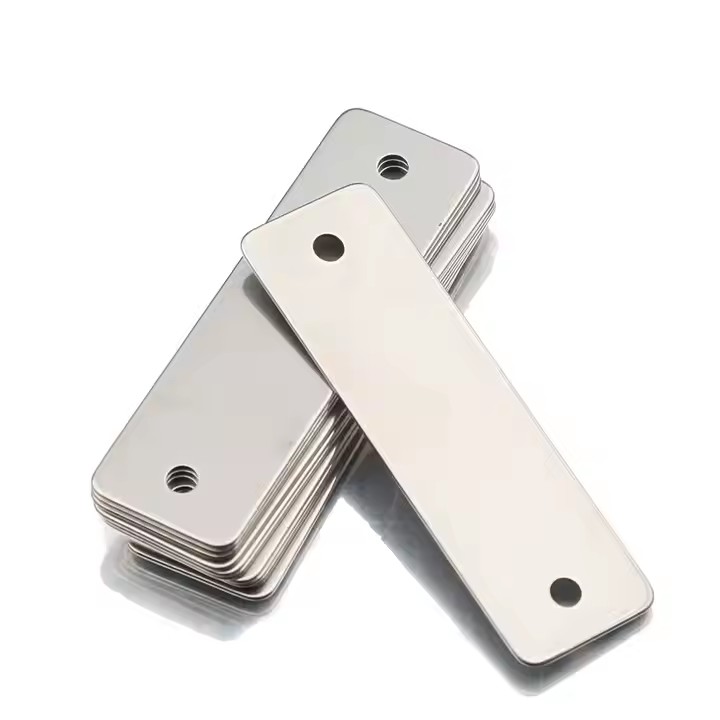
How to Choose Sizes and Shapes for Blank Metal Tags
How to Choose Sizes and Shapes for Blank Metal Tags Choosing the right size and shape for blank metal tags is essential to ensure they serve their intended purpose effectively, whether for industrial labeling, asset tracking, or personalized crafts. The size and shape affect not only the tag’s visibility and legibility but also how it can be attached and customized. This guide will help you understand the factors to consider and common options available when selecting sizes and shapes for blank metal tags. Factors to Consider When Choosing Tag Sizes 1. Information to Display The amount of information…