

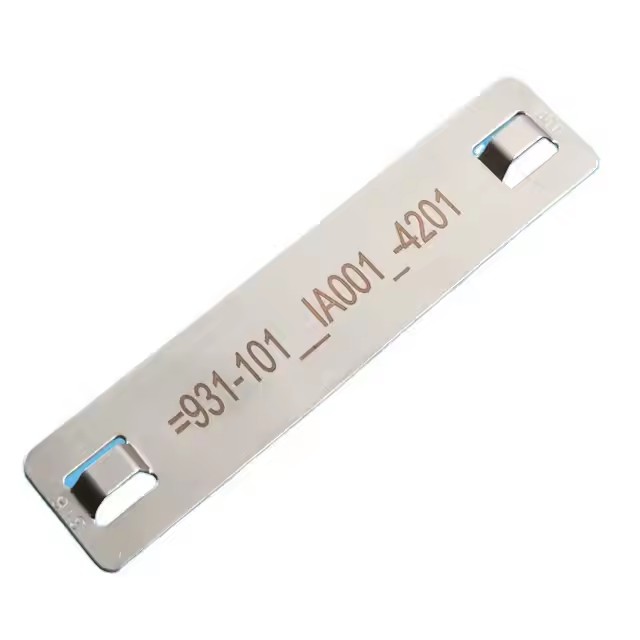
Common Types of Wire Markers and Their Applications
Introduction Wire markers are essential tools used to label and identify wires and cables in various electrical and industrial applications. Proper wire identification improves safety, simplifies maintenance, and enhances overall system organization. There are several types of wire markers, each designed to meet specific needs and environmental conditions. In this article, we will explore the most common types of wire markers and their practical applications. 1. Adhesive Wire Markers Adhesive wire markers are labels that stick directly onto the surface of wires or cables. They are usually made of vinyl, polyester, or other durable materials with strong adhesives.…
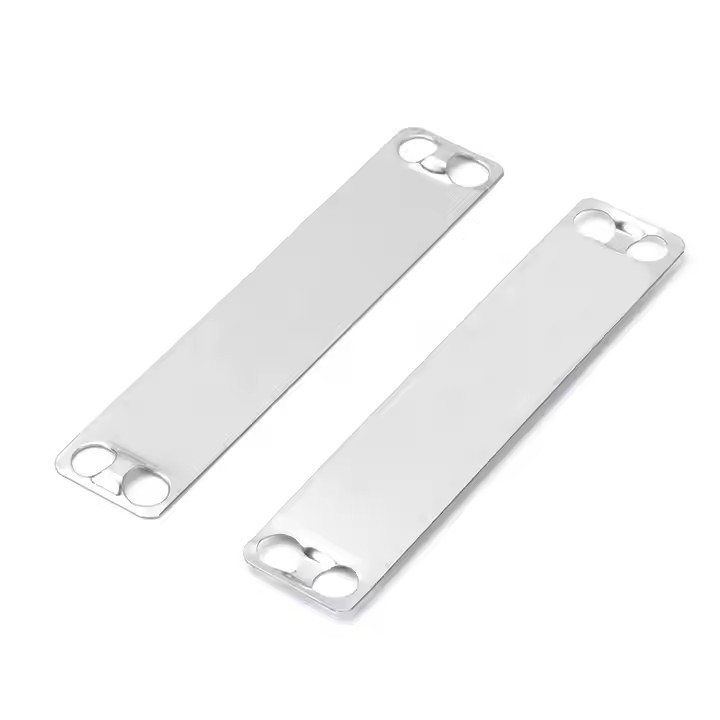
What Are Metal Cable Tags? Functions and Benefits Explained
What Are Metal Cable Tags? Metal cable tags are durable identification labels made from various metals such as aluminum, stainless steel, or copper. They are specifically designed to be attached to cables, wires, or harnesses to provide clear and permanent identification in industrial, commercial, and utility settings. Unlike plastic or paper tags, metal cable tags offer superior resistance to harsh environmental conditions, ensuring long-lasting readability and reliability. Key Functions of Metal Cable Tags Identification and LabelingMetal cable tags provide unique identification information such as serial numbers, barcodes, QR codes, or textual data that help technicians and engineers quickly…

Why Metal QR Code Tags Are Ideal for Industrial Environments: Durability & Benefits
Why Metal QR Code Tags Are Ideal for Industrial Environments Introduction Industrial environments are often tough on labeling and tracking systems. From extreme temperatures and chemicals to abrasion and moisture, assets require identification solutions that can withstand these challenges. Metal QR code tags have emerged as a reliable choice for industrial applications, combining durability with modern tracking technology. 1. Exceptional Durability in Harsh Conditions Metal QR code tags are typically made from aluminum, stainless steel, or anodized metal, which are highly resistant to corrosion, heat, chemicals, and physical impact. This makes them suitable for: Outdoor use in all…
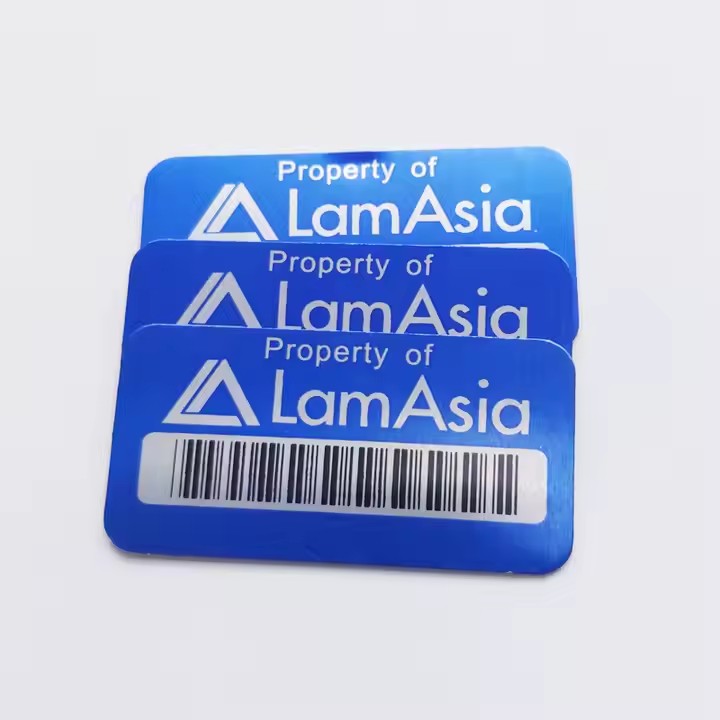
Metal QR Code Tags vs Paper Labels: Key Differences and Industrial Benefits
Metal QR Code Tags vs Paper Labels: What’s the Difference? Introduction In asset tracking and inventory management, choosing the right labeling solution is critical. Metal QR code tags and paper labels are two popular options, but they differ significantly in durability, performance, and suitability for various environments. This article explores these differences to help you make an informed choice. 1. Material and Durability Metal QR Code TagsMade from durable metals such as aluminum or stainless steel, these tags are designed to withstand harsh industrial environments. They resist abrasion, chemicals, moisture, UV exposure, and extreme temperatures. Paper LabelsTypically made…
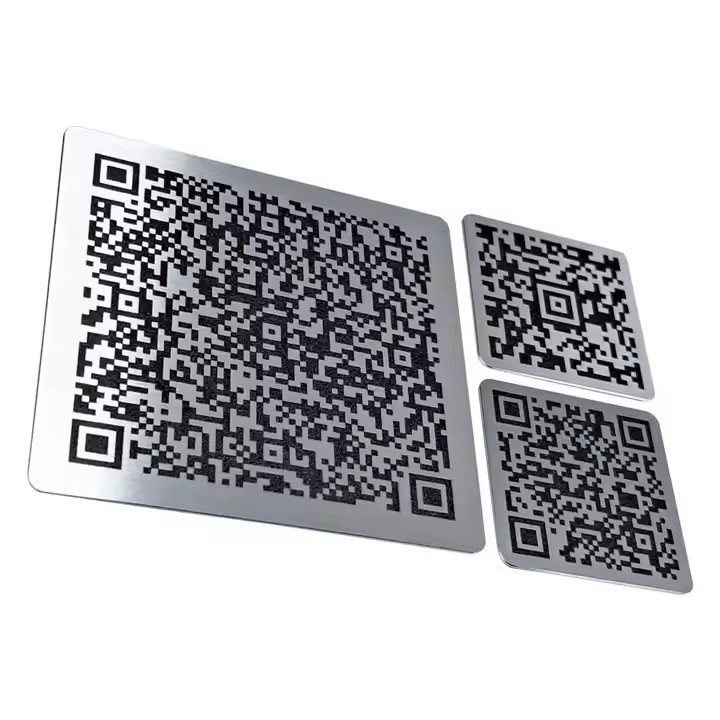
What Are Metal Barcode Tags? Benefits, Materials, and Industrial Applications
What Are Metal Barcode Tags? Benefits and Applications Explained Introduction Metal barcode tags are durable labeling solutions that incorporate machine-readable codes onto metal surfaces. Designed to withstand harsh environments, these tags are widely used in industries that demand long-lasting asset identification and tracking solutions. 1. What Are Metal Barcode Tags? Metal barcode tags are identification plates made from materials such as aluminum, stainless steel, or anodized metal, marked with 1D barcodes or 2D codes like QR codes. The marking methods typically include: Laser engraving Chemical etching Anodized printing Mechanical stamping These tags are permanently affixed to tools, equipment,…

Common Sizes and Material Options for Equipment Tags
Common Sizes and Material Options for Equipment Tags Equipment tags are essential for identification, tracking, and safety across industries—from manufacturing to healthcare. Choosing the right size and material ensures durability, readability, and effective use in your application. This guide explores the most common sizes and materials used for equipment tags and when to use each. 🔧 Common Sizes of Equipment Tags Different applications require different tag dimensions. Below are standard size options: Tag Size (inch) Tag Size (mm) Common Usage 1.5″ × 0.5″ 38mm × 13mm Small tools, cable labeling 2.0″ × 1.0″ 50mm × 25mm IT equipment,…

Metal vs Plastic: Which Asset Tag Material Is Best for Your Application?
Metal vs Plastic: Comparing Materials for Asset Tags Introduction Choosing the right material for your asset tags is crucial for effective and long-term asset management. The two most common materials—metal and plastic—offer distinct advantages depending on the application. In this guide, we’ll compare metal vs plastic asset tags based on durability, cost, environments, applications, and customization options, helping you make an informed decision. 1. Durability Metal Tags: Extremely resistant to abrasion, heat, chemicals, and UV exposure. Ideal for outdoor, industrial, or high-traffic environments. Common metals include anodized aluminum, stainless steel, and brass. Plastic Tags: Generally less durable and prone…
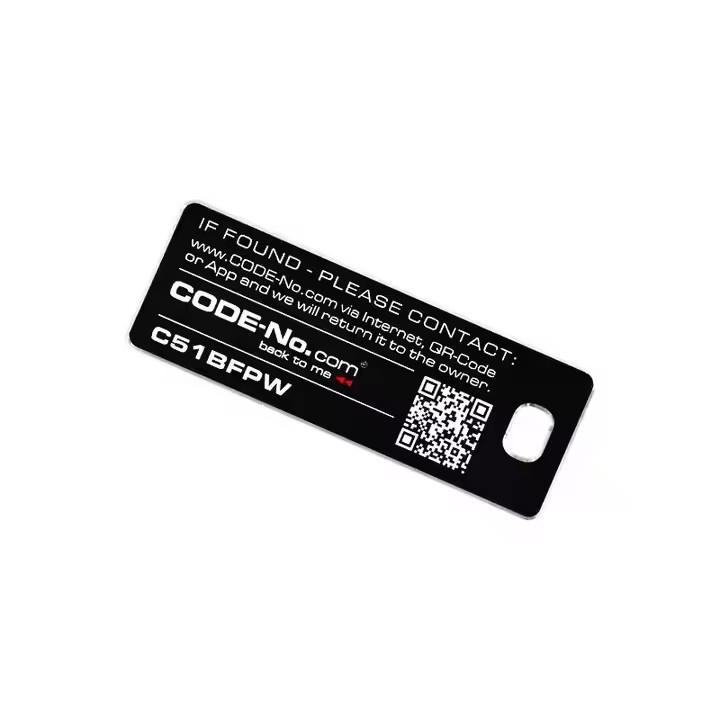
What Are Metal Asset Tags? Benefits, Applications & Full Use Case Guide
What Are Metal Asset Tags? Full Guide to Use Cases Metal asset tags are durable identification labels used to track, manage, and protect physical assets in a wide range of industries. Made from materials like aluminum, stainless steel, or brass, these tags are often engraved, etched, or printed with key asset information such as serial numbers, barcodes, QR codes, or company branding. Why Use Metal Asset Tags? Metal asset tags offer numerous advantages over traditional plastic or paper labels: Extreme Durability – Withstand harsh environments, abrasion, heat, chemicals, and UV exposure. Permanent Identification – Ideal for long-term asset…