
What Materials Can Be Laser Marked? Metals, Plastics, Ceramics & More Explained
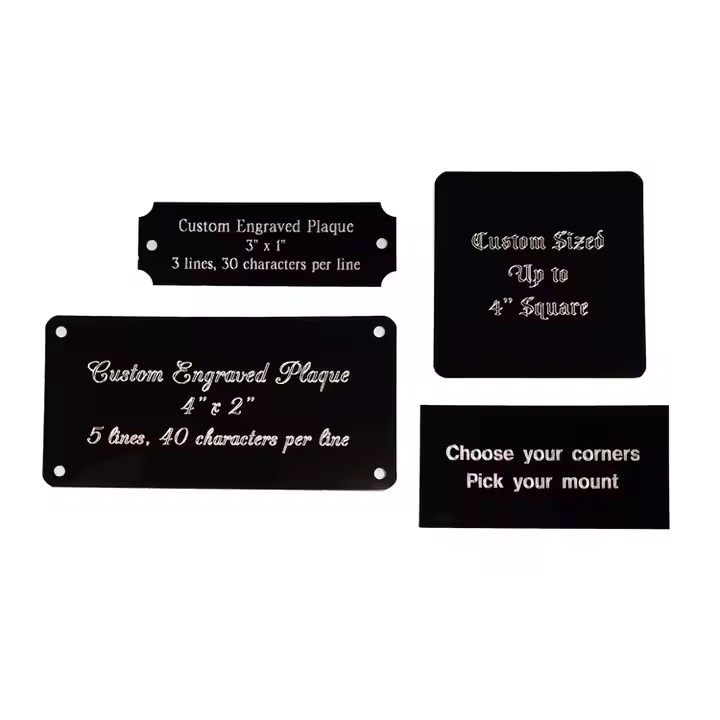
📘 What Materials Can Be Laser Marked Effectively? Laser marking is a non-contact process that permanently alters the surface of a material using focused laser beams. It’s widely used in industries that require traceability, identification, branding, or compliance marking. However, not all materials behave the same under laser treatment. This guide explores which materials can be laser marked effectively, their properties, and common applications. 🧱 1. Metals Suitable for Laser Marking Laser marking works extremely well on various metals, especially with fiber lasers. These materials support high-contrast and durable marks: ✅ Stainless Steel Properties: Corrosion-resistant, high-strength Uses: Industrial…
Common Types and Industrial Uses of Laser Engraved Tags: Materials & Applications Guide
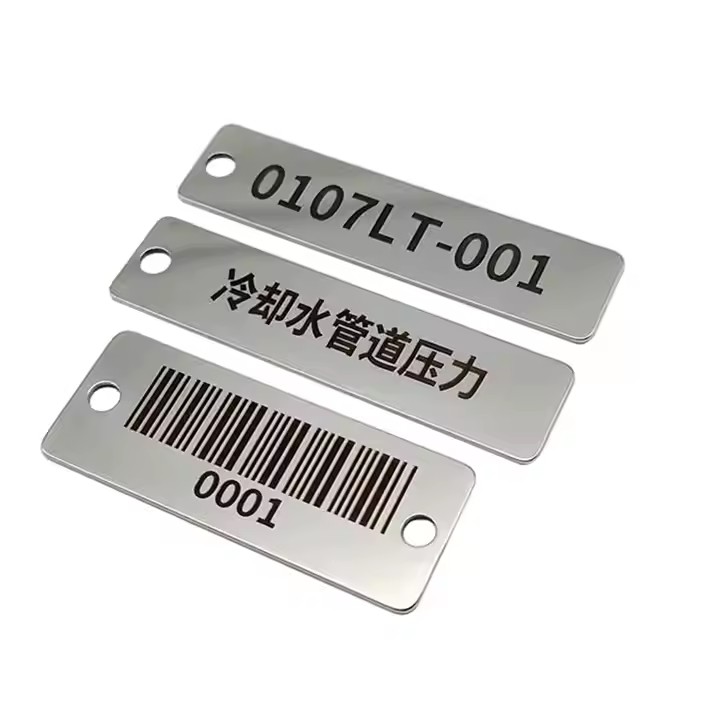
📘 Types and Uses of Laser Engraved Tags — A Guide to Materials, Shapes, and Applications Introduction Laser engraved tags are permanent, durable identification tools widely used in industrial, commercial, and custom marking environments. These tags can be produced in various shapes, sizes, and materials to meet different needs. Understanding their types and applications helps businesses choose the most suitable solution for labeling, safety, and traceability. 🧩 Types of Laser Engraved Tags by Material Different materials are selected based on where and how the tags will be used. 1. Stainless Steel Tags Key Features: High durability, corrosion-resistant, heat-tolerant…
What Are Laser Engraved or Marked Tags? Benefits, Materials & Uses Explained
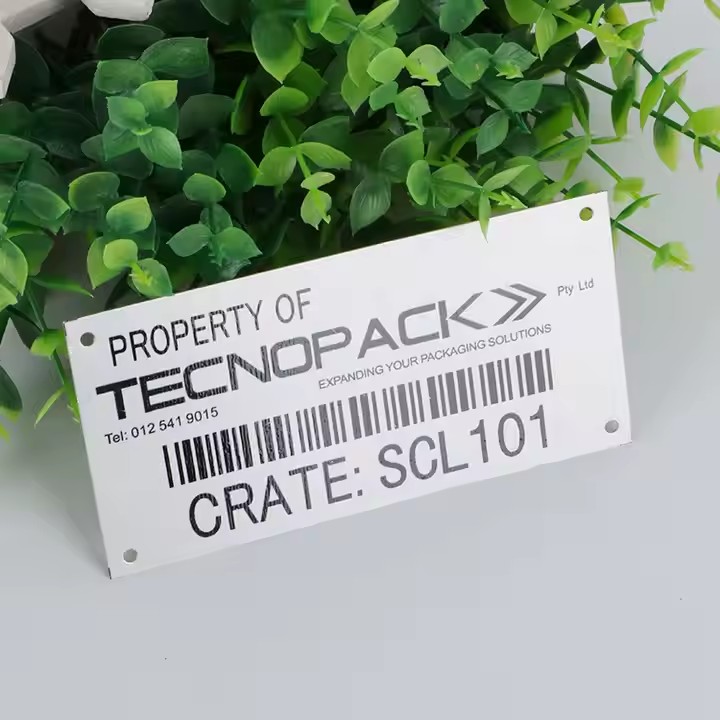
📘 What Are Laser Engraved/Marked Tags? A Complete Guide Introduction Laser engraved or marked tags are durable, permanent identification labels created by using laser technology to either engrave (etch into the surface) or mark (change the surface color or structure) of a material. These tags are widely used across industrial, commercial, and personalized settings due to their precision, resistance to wear, and versatility. What Is Laser Engraving vs Laser Marking? Although often used interchangeably, laser engraving and laser marking have technical differences: Laser Engraving: Removes material from the surface to create deep, long-lasting indentations. Best for metal tags…
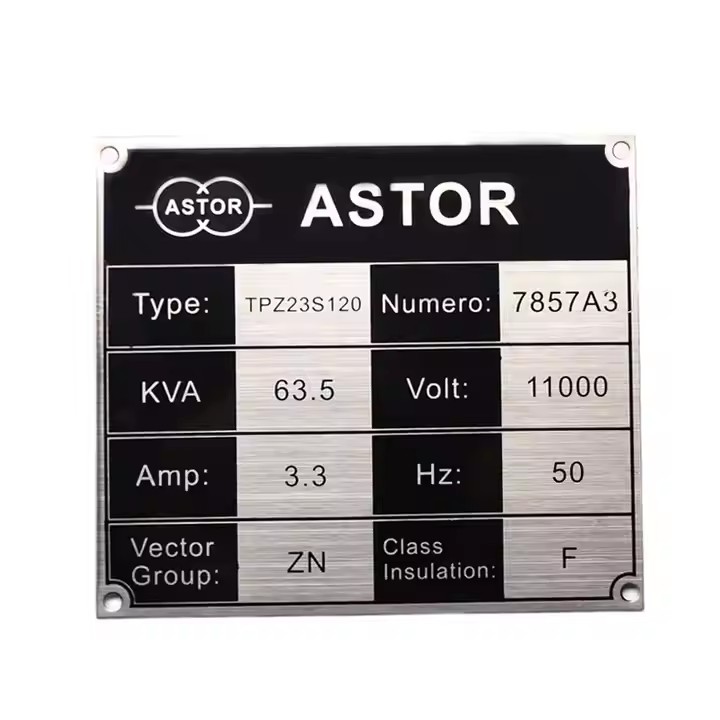
How Industrial Tags Ensure Corrosion and Wear Resistance
Introduction Industrial tags are exposed to challenging environments, including moisture, chemicals, abrasion, and extreme temperatures. To maintain their functionality and legibility over time, these tags must possess excellent corrosion and wear resistance. This article explores how industrial tags achieve these essential protective properties through material selection, surface treatments, and manufacturing techniques. Material Selection: The First Line of Defense Choosing the right metal is crucial to ensuring corrosion and wear resistance: Stainless Steel: Known for its chromium content, stainless steel forms a passive oxide layer that prevents rust and corrosion. It also has high hardness, making it resistant to…

Etched Metal Tags: Standard Thickness and Size Guidelines for Industrial Use
Introduction When selecting etched metal tags, choosing the correct thickness and size is just as important as the material or design. The right specifications ensure your tags remain readable, durable, and functional in demanding environments such as factories, outdoor equipment, or medical devices. This article explains the most common thicknesses and dimensions used in etched metal tag production, along with guidelines for choosing the right combination for your application. Typical Thickness Options for Etched Metal Tags Etched metal tags are available in a variety of thicknesses depending on use cases. Here are the most common thickness ranges: Thickness…

Common Metal Materials for Etched Tags: Compare Stainless Steel, Aluminum, Brass & More
Introduction Etched metal tags are valued for their durability, precision, and long-lasting readability. But the performance and appearance of the tag also depend heavily on the type of metal used. In this guide, we’ll break down the most common metals used in etched tags and explain the differences in properties, benefits, and ideal applications. Stainless Steel Overview:Stainless steel is one of the most durable materials available for etched tags. It’s especially popular in harsh industrial, marine, and outdoor environments. Key Features: Excellent resistance to corrosion, heat, and chemicals High strength and mechanical durability Suitable for outdoor and high-temperature…
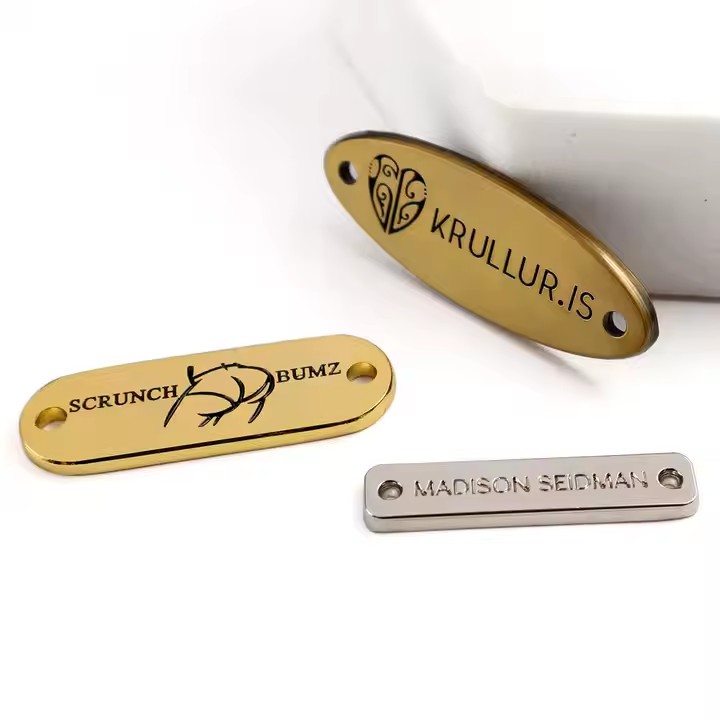
How to Customize Engraved Metal Tags: Design, Sizing, and Hole Tips
How to Customize Engraved Metal Tags: Size, Hole Placement & Design Tips Engraved metal tags are highly customizable to suit various industrial, commercial, and personal applications. Whether you’re labeling equipment, tracking assets, or creating branded nameplates, thoughtful design ensures your tags are functional, durable, and easy to install. In this guide, we’ll cover the most important customization elements: size selection, hole placement, and design best practices — all essential for ensuring your tags meet both aesthetic and practical needs. 1. Choosing the Right Size The size of your engraved metal tag affects both readability and functionality. Here’s how…
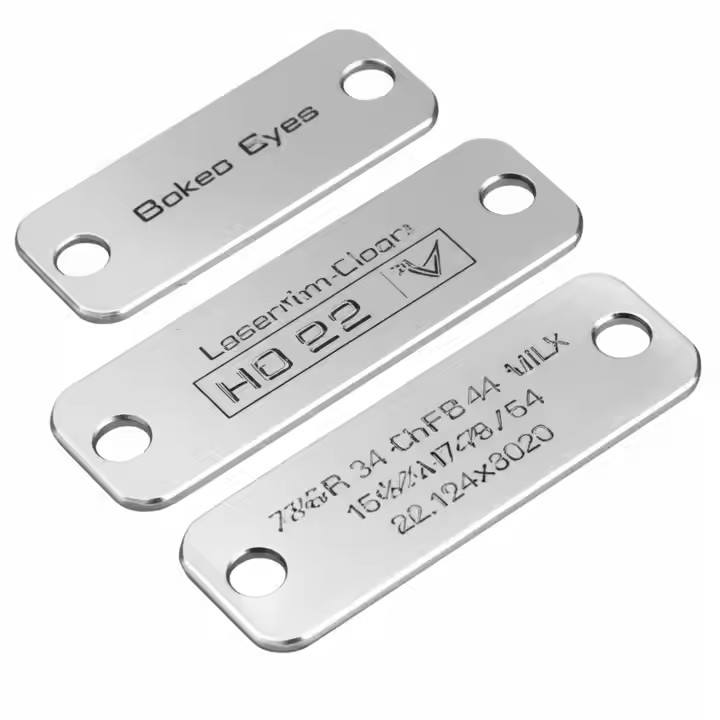
Engraved Metal Tag Production Process: Step-by-Step Manufacturing Guide
What is the Production Process for Engraved Metal Tags? Engraved metal tags are essential in industries where permanent labeling, identification, or traceability is required. Whether used for asset tracking, machinery labeling, or branding, the quality of these tags depends heavily on the precision of their manufacturing process. In this article, we walk you through the full production process of engraved metal tags — from initial design to final inspection — to help you understand what goes into making high-quality, custom engraved tags. 1. Design & Specification Confirmation Every custom order starts with a detailed design file. Clients may…