Introduction
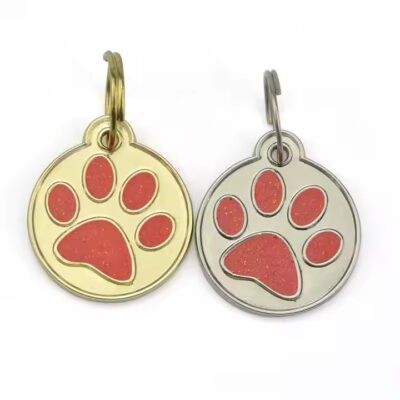
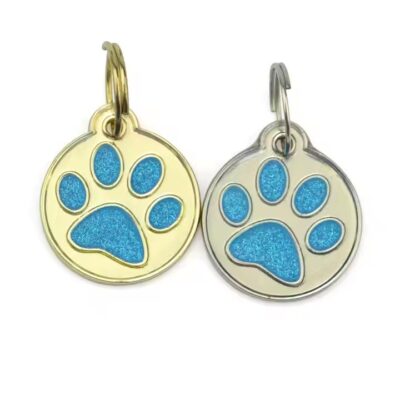
Metal pet ID tags are a popular choice for pet owners who want durable, stylish, and long-lasting identification for their pets. Choosing the right material for a pet tag is essential to ensure comfort, longevity, and clear visibility. This article reviews the most common materials used for metal pet ID tags and discusses their pros and cons.
Common Materials for Metal Pet ID Tags
1. Stainless Steel
Pros:
-
Highly durable and resistant to rust and corrosion
-
Hypoallergenic and safe for most pets
-
Strong enough to withstand rough outdoor activities
-
Maintains a polished, attractive appearance over time
Cons:
-
Slightly heavier than some other materials
-
Can be more expensive compared to aluminum or brass
2. Aluminum
Pros:
-
Lightweight and comfortable for pets to wear
-
Corrosion-resistant and suitable for outdoor use
-
Usually more affordable than stainless steel
-
Available in various colors due to anodizing process
Cons:
-
Softer than stainless steel, can scratch or dent more easily
-
Engraving may wear off faster with heavy use
3. Brass
Pros:
-
Has a distinctive warm, golden color that many find attractive
-
Durable and resistant to corrosion
-
Ages well with a natural patina that some owners prefer
Cons:
-
Heavier than aluminum
-
Requires occasional polishing to maintain shine
-
Can cause allergic reactions in sensitive pets
4. Copper
Pros:
-
Attractive reddish-brown color with unique aging properties
-
Naturally antimicrobial, which may reduce bacteria buildup
-
Durable for everyday wear
Cons:
-
Prone to tarnishing and discoloration over time
-
Heavier and softer compared to stainless steel
-
Requires maintenance to keep appearance
Conclusion
Selecting the right material for your metal pet ID tag depends on your pet’s lifestyle, comfort needs, and your aesthetic preferences. Stainless steel offers excellent durability and hypoallergenic properties, while aluminum provides lightweight comfort and affordability. Brass and copper add unique visual appeal but may require more care. Understanding the pros and cons of each material will help you make the best choice to keep your pet safe and stylish.