How to Choose the Right Size and Hole Placement for Round Tags?
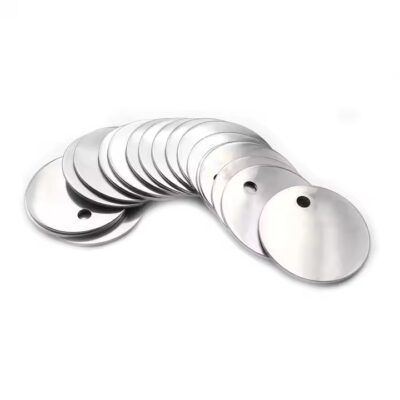
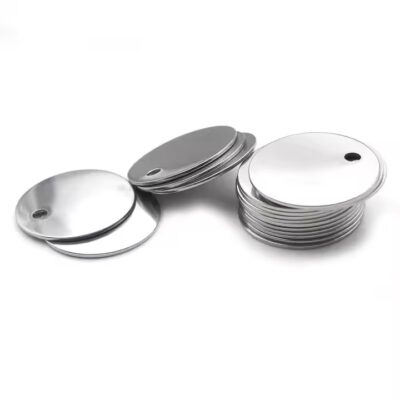
Round metal tags are widely used across industries—from pet ID tags to industrial asset labels—thanks to their clean appearance, versatility, and durability. However, to ensure functionality and optimal performance, selecting the right size and hole placement is critical.
In this article, we break down the essential factors to consider when choosing these two important elements.
🔹 Why Size Matters in Round Tags
The size of a round metal tag affects:
-
Readability: Larger tags can hold more information such as logos, serial numbers, or QR codes.
-
Aesthetic and Weight: Smaller tags are ideal for minimal designs or lightweight applications, like jewelry or keys.
-
Functionality: Some industrial applications require bigger tags for safety labels or operating instructions.
📏 Common Sizes:
| Diameter (mm) | Typical Use |
|---|---|
| 20–25mm | Pet ID tags, keychains |
| 30–40mm | Plant tags, promotional tags |
| 50–60mm | Industrial labeling, instructions |
| 70mm+ | Equipment asset tags, valve labels |
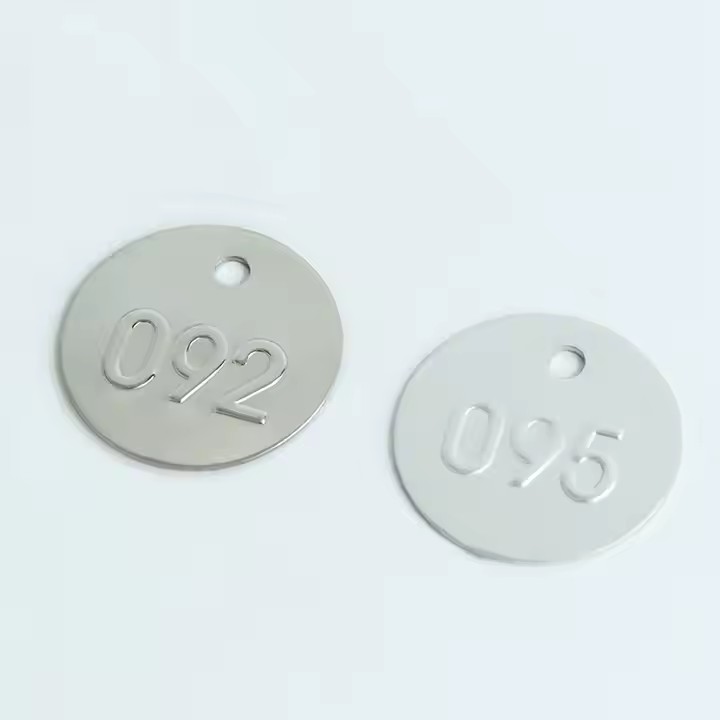
🔹 How to Determine Hole Placement
Hole placement plays a key role in how the tag will be mounted or used. Here are the main options:
1. Top-Centered Hole
-
Best for: Keyrings, collars, chain attachments
-
Advantage: Maintains vertical alignment when hanging
-
Tip: Use when the tag will swing or dangle
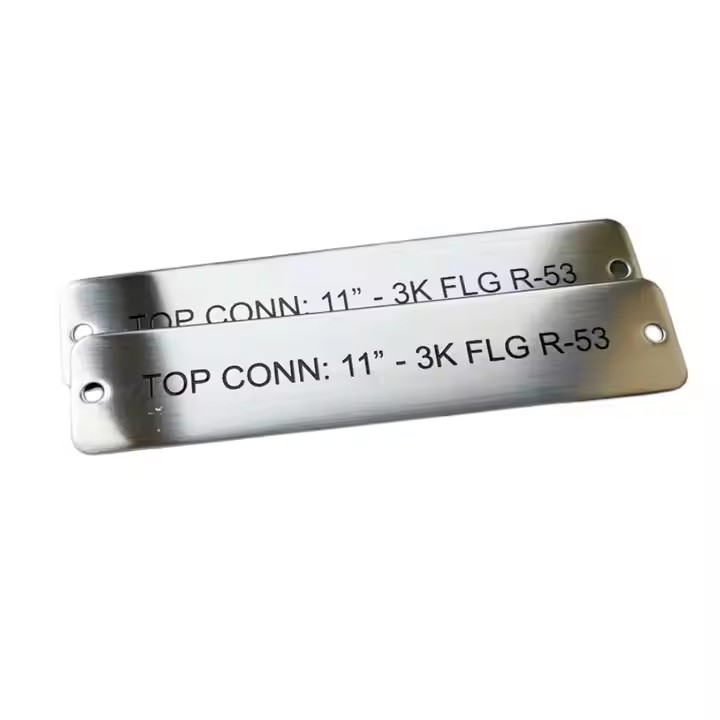
2. Double Holes (Left and Right)
-
Best for: Riveting onto equipment or surfaces
-
Advantage: Stronger mounting, prevents rotation
-
Tip: Ensure spacing allows for screws or rivets without bending the tag
3. Center Hole
-
Best for: Bolt-through or adhesive-centered mounting
-
Advantage: Balanced appearance, secure hold
-
Tip: Use in applications where symmetry matters
4. Custom Hole Placement
-
For unique projects: offset, multiple holes, or slot-style cuts
-
Used in: Cable tags, hanging signs, valve ID plates
-
Benefit: Tailored to suit specific installation environments
✅ Key Considerations Before Finalizing
-
Mounting Method: Will it be riveted, chained, glued, or tied? Choose hole placement accordingly.
-
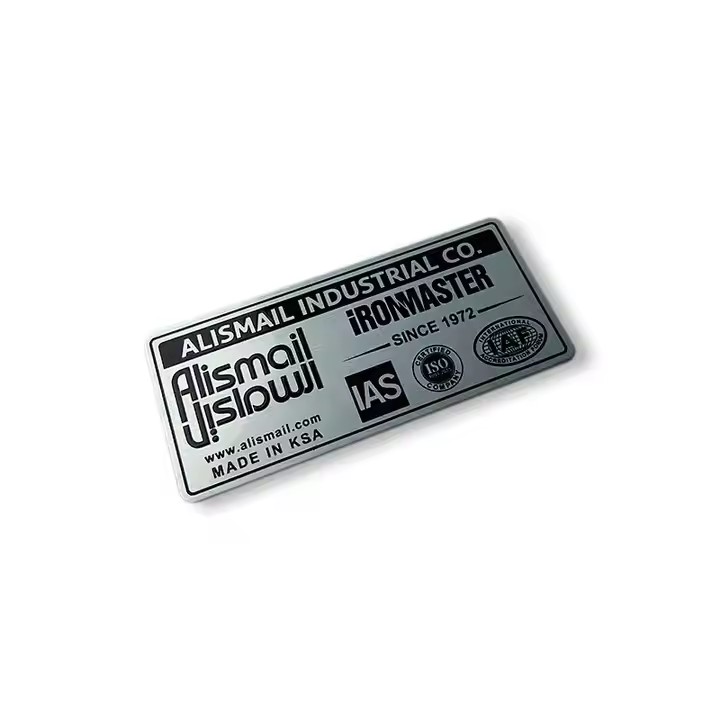
Information Layout: Avoid holes interfering with text or design.
-
Material Strength: Ensure the hole area won’t weaken under stress—especially in soft metals like aluminum.
-
Environment: For outdoor use, larger or reinforced holes may resist weather and mechanical stress better.
✅ Conclusion
Choosing the right size and hole placement for your round metal tags ensures they perform well, look professional, and meet your project’s needs. Whether for industrial, promotional, or identification purposes, careful design will help maximize durability, usability, and branding effectiveness.
Work with a trusted custom metal tag supplier to get expert advice and precise manufacturing for your specific application.