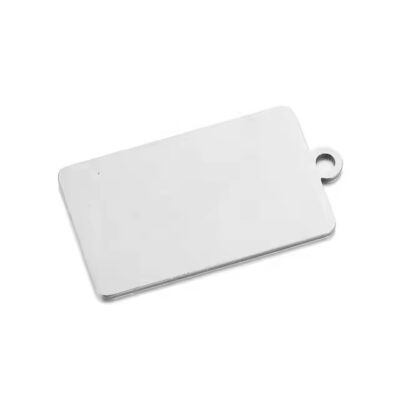
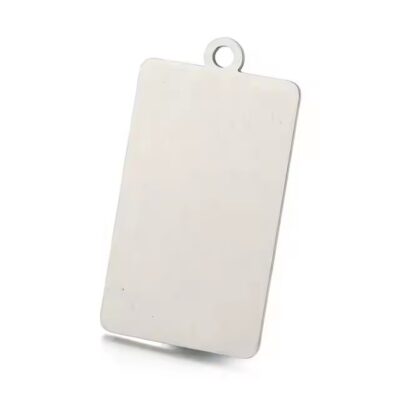
Durability Analysis of Rectangle Metal Tags in Various Environments
Rectangle metal tags are essential for identification, labeling, and tracking in many industries. Their durability determines how well they perform in diverse environmental conditions, from industrial plants to outdoor settings. Understanding how different factors impact their lifespan helps manufacturers and users choose the right tags for their specific needs.
1. Material Impact on Durability
The choice of material is the primary factor affecting durability:
-
Stainless Steel: Known for its outstanding corrosion resistance and mechanical strength, stainless steel tags withstand harsh chemicals, moisture, and extreme temperatures. Ideal for industrial and marine environments.
-
Aluminum: Lightweight and corrosion-resistant, aluminum tags are well-suited for outdoor use but may be less resistant to scratches and impact compared to stainless steel.
-
Brass/Copper: These materials offer good corrosion resistance and aesthetic appeal but may tarnish over time without proper finishes.
2. Effects of Environmental Factors
-
Corrosive Environments: Exposure to acids, salts, or industrial chemicals can degrade metal tags. Stainless steel with protective coatings performs best here.
-
Extreme Temperatures: Metal tags must resist expansion, contraction, and brittleness. Stainless steel and specially treated aluminum can tolerate temperature variations better.
-
UV Exposure: Prolonged sunlight can fade printed or painted surfaces. Tags with anodized or laser-engraved finishes maintain clarity longer outdoors.
-
Mechanical Wear: Tags in high-contact or abrasive settings require materials and finishes that resist scratching and deformation.
3. Finishing Techniques to Enhance Durability
-
Anodizing: Adds a protective oxide layer to aluminum tags, improving corrosion resistance and color retention.
-
Powder Coating: Provides a thick, durable protective layer suitable for various metals.
-
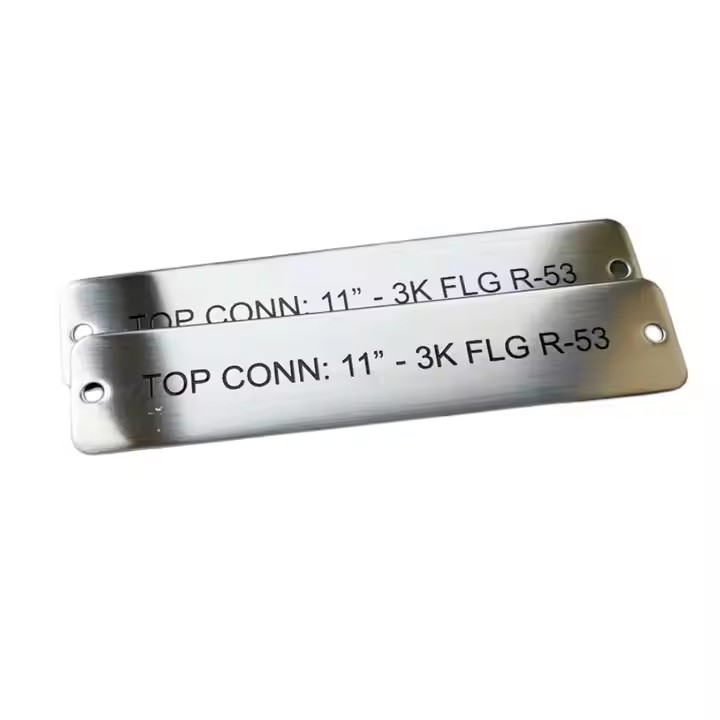
Laser Engraving: Creates permanent markings resistant to fading and abrasion.
4. Testing Standards for Durability
Manufacturers often perform standardized tests such as salt spray, abrasion, and temperature cycling to verify tag durability and suitability for specific environments.
5. Practical Recommendations
-
For industrial plants with chemical exposure, stainless steel tags with laser engraving are ideal.
-
For outdoor landscaping or asset tagging, anodized aluminum offers a balance of durability and cost.
-
For decorative applications, brass tags with protective coatings work well but require maintenance.
Conclusion
Durability is a critical factor when selecting rectangle metal tags for any application. By considering material properties, environmental challenges, and protective finishes, you can ensure your tags remain functional and legible over time. Partnering with experienced manufacturers will help you get high-quality tags designed for your unique requirements.