
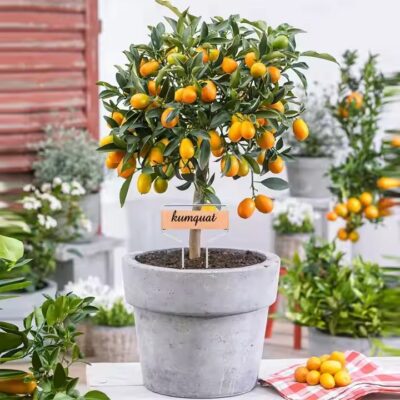
How Botanical Gardens and Nurseries Choose Metal Tree Tags
A Professional Guide to Long-Lasting and Accurate Plant Labeling
In botanical gardens and nurseries, plant identification is more than a visual aid — it’s a critical tool for education, scientific research, inventory management, and visitor experience. One of the most reliable solutions for long-term labeling is metal tree tags, prized for their durability, clarity, and resistance to weather conditions. But how do professionals in these environments choose the right type of tag?
This article breaks down the key considerations botanical institutions and plant growers weigh when selecting metal tree tags.
1. Material Selection: Durability Meets Purpose
a. Anodized Aluminum
-
Why it’s chosen: Lightweight, rust-resistant, and excellent for outdoor conditions.
-
Applications: Common in both nurseries and public gardens for engraved or printed tags.
-
Bonus: Available in multiple colors for category coding or aesthetic appeal.
b. Stainless Steel
-
Why it’s chosen: Ultra-durable, non-corrosive, and highly resistant to harsh climates.
-
Applications: Preferred in scientific settings or high-traffic areas where vandalism or wear is a concern.
c. Copper or Brass
-
Why it’s chosen: Offers a timeless, elegant look that develops a natural patina over time.
-
Applications: Ideal for memorial trees, special exhibits, or decorative labeling in premium gardens.
2. Information Capacity and Labeling Methods
Botanical gardens often include:
-
Scientific name (Latin)
-
Common name
-
Family and origin
-
QR codes or catalog IDs for digital plant records
Metal tags can support:
-
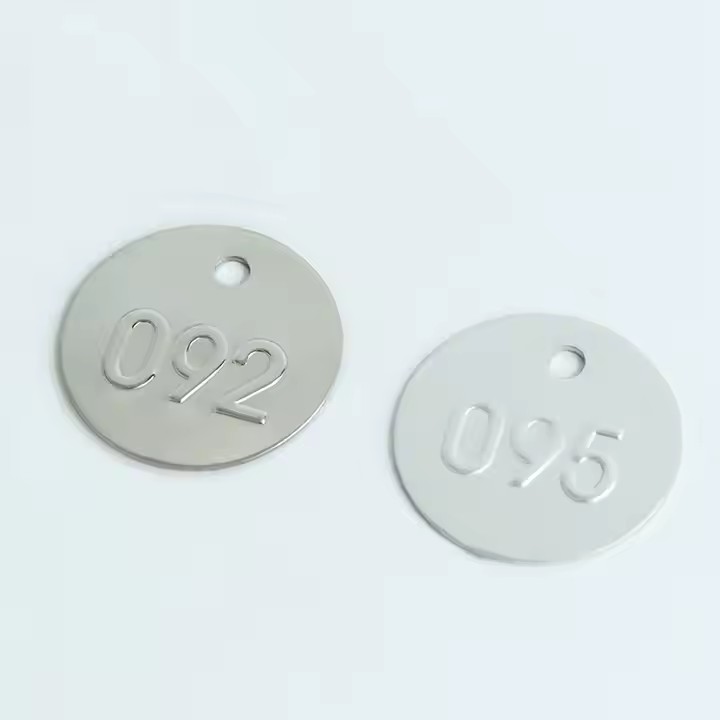
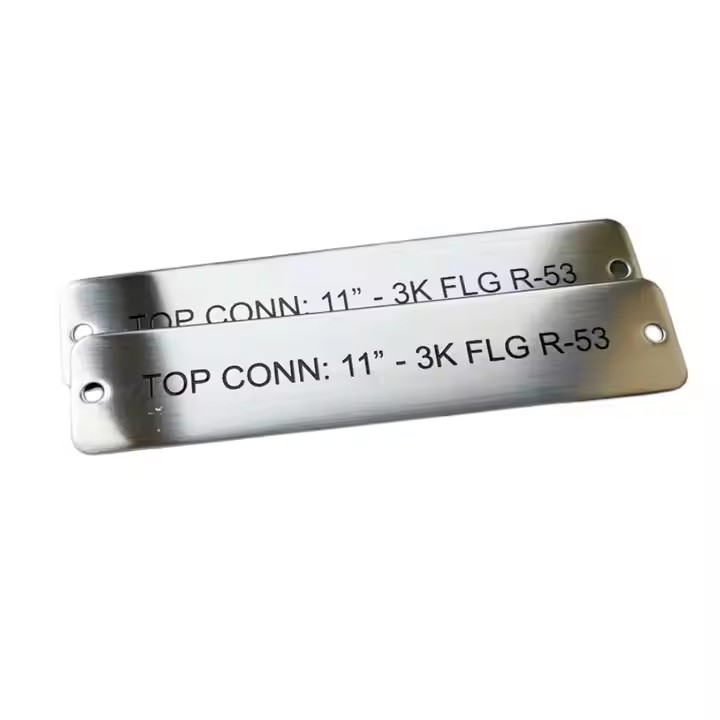
Laser engraving for precise, permanent text
-
Stamping or embossing for tactile labels
-
QR code etching for interactive identification
3. Tag Mounting Options
Choosing the right mounting method ensures the tag stays visible and secure.
-
Hanging Tree Tags: Attached with wire or chains to branches or trunks. Good for mature trees.
-
Stake Tags: Planted in soil near small shrubs or ground covers. Ideal for easily changing plant beds.
-
Wrap-Around Tags: Used for saplings or smaller stems, minimizing damage to growing tissue.
4. Environmental Considerations
Botanical institutions choose tags based on:
-
UV resistance: Prevents fading under sunlight.
-
Moisture and corrosion resistance: Critical for tropical or rainy environments.
-
Wind and animal-proofing: Ensures tags don’t fall off or get chewed.
5. Customization and Branding Needs
Many gardens request:
-
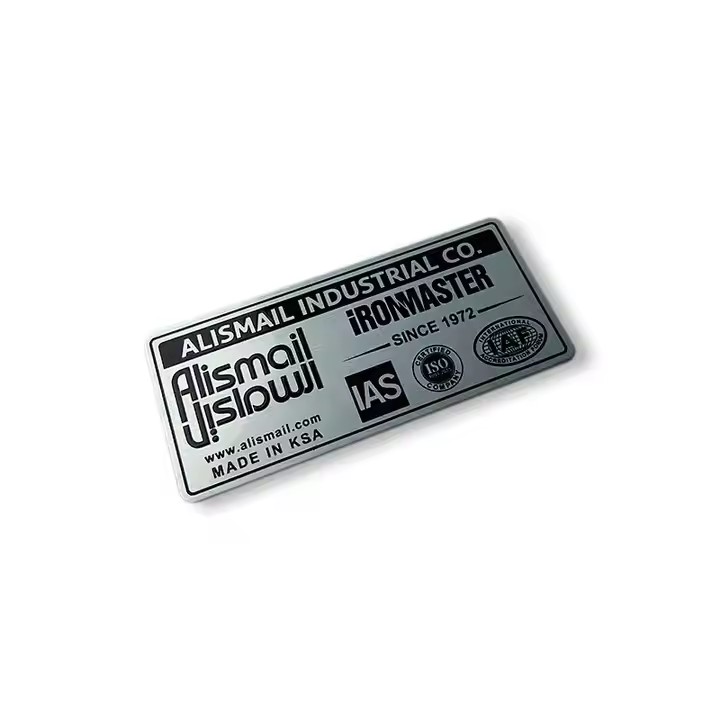
Institutional logos or names on tags
-
Custom shapes or sizes for aesthetic harmony
-
Color coding systems for plant categories, such as native, exotic, endangered, etc.
6. Cost and Lifecycle Investment
While metal tags are costlier than plastic, botanical gardens consider:
-
Long-term value: Fewer replacements needed over time
-
Lower maintenance: No fading or cracking
-
Professional appearance: Enhances reputation and visitor experience
Conclusion
Botanical gardens and nurseries don’t just label plants—they tell stories, share knowledge, and create lasting impressions. Choosing the right metal tree tag involves balancing material durability, information clarity, mounting security, and brand identity. With thoughtful selection, metal tags become a vital part of any horticultural space, supporting beauty, science, and sustainability.