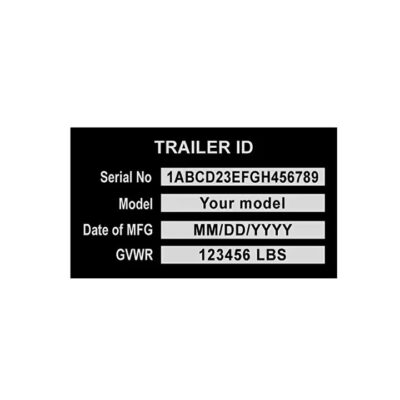
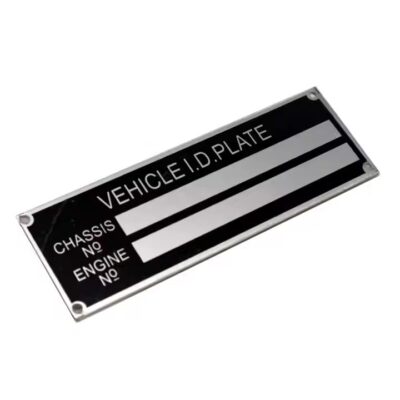
📘 What Materials Can Be Laser Marked Effectively?
Laser marking is a non-contact process that permanently alters the surface of a material using focused laser beams. It’s widely used in industries that require traceability, identification, branding, or compliance marking. However, not all materials behave the same under laser treatment.
This guide explores which materials can be laser marked effectively, their properties, and common applications.
🧱 1. Metals Suitable for Laser Marking
Laser marking works extremely well on various metals, especially with fiber lasers. These materials support high-contrast and durable marks:
✅ Stainless Steel
-
Properties: Corrosion-resistant, high-strength
-
Uses: Industrial nameplates, surgical tools, machine parts
-
Marking Types: Annealing, engraving, etching
✅ Aluminum (Bare & Anodized)
-
Properties: Lightweight, rust-resistant
-
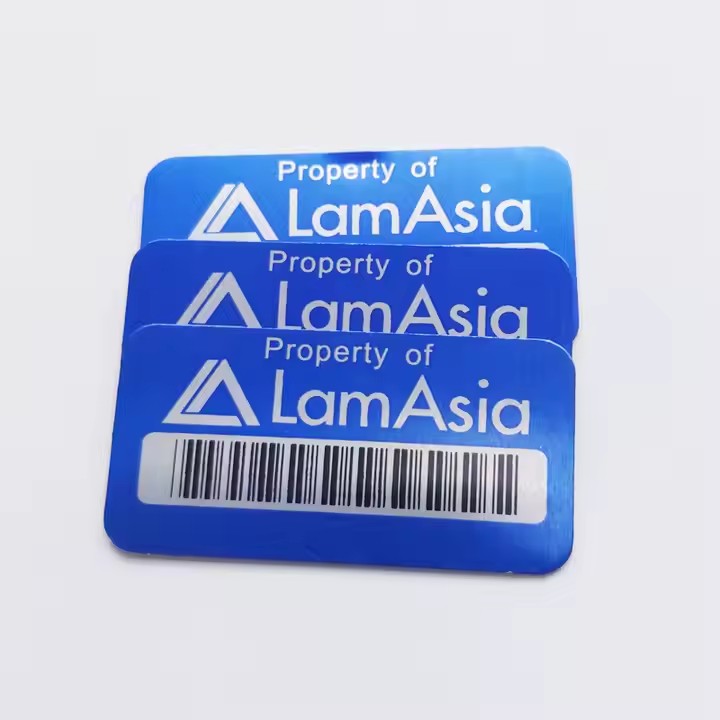
Uses: Electrical panels, ID tags, outdoor signs
-
Marking Types: High-contrast white marking on anodized aluminum
✅ Brass & Copper
-
Properties: Conductive, decorative appeal
-
Uses: Electrical labels, luxury branding, plaques
-
Note: May require higher laser power due to reflectivity
✅ Titanium
-
Properties: Biocompatible, heat-resistant
-
Uses: Aerospace, medical implants, military
-
Marking Types: Annealing or engraving
✅ Other Markable Metals:
-
Carbon steel
-
Nickel alloys
-
Gold and silver (for fine detail)
🧴 2. Plastics That Can Be Laser Marked
Different plastics respond differently, depending on pigment and composition. CO₂, UV, or fiber lasers are used based on the type.
✅ ABS (Acrylonitrile Butadiene Styrene)
-
Uses: Keyboards, electronic casings
-
Result: Sharp black or white marks
✅ Polycarbonate
-
Uses: Labels, ID cards, signage
-
Result: Smooth, readable finish with minimal melting
✅ Acrylic (PMMA)
-
Uses: Signs, trophies, light diffusers
-
Result: Clean, bright contrast marks
✅ Nylon
-
Uses: Automotive parts, cable ties
-
Result: Clear marks without damage
⚠️ Note:
Some plastics may require additives to improve laser absorption and contrast.
🧪 3. Ceramics and Glass
Ceramic and glass require specialized lasers (UV or CO₂) and careful handling.
✅ Glass
-
Uses: Bottles, labware, decorative items
-
Result: Frosted or micro-cracked surface
✅ Ceramics
-
Uses: Tiles, insulators, medical devices
-
Result: White or gray markings
🪵 4. Wood and Organics
CO₂ lasers are ideal for marking wood and other organic materials.
✅ Wood (Hardwood, Softwood, MDF)
-
Uses: Craft products, furniture branding
-
Result: Burned-in look with good contrast
✅ Leather
-
Uses: Wallets, tags, luxury goods
-
Result: High-detail dark engraving
✅ Paper/Cardboard
-
Uses: Packaging, logos
-
Result: Precise burn or cut edges
🧠 Summary Table: Material Compatibility
| Material Type | Common Examples | Recommended Laser | Marking Quality |
|---|---|---|---|
| Metals | Stainless steel, aluminum | Fiber | Excellent |
| Plastics | ABS, polycarbonate, nylon | Fiber/CO₂/UV | Very Good – Varies |
| Ceramics/Glass | Glass bottles, labware | CO₂ or UV | Moderate |
| Wood/Leather | Hardwood, genuine leather | CO₂ | Excellent |
🏭 Industries That Rely on Laser Marking
-
Manufacturing: Part IDs, traceability, batch numbers
-
Medical: Surgical tool and implant marking
-
Automotive & Aerospace: VIN numbers, metal parts
-
Electronics: Chipsets, cables, circuit boards
-
Consumer Products: Branded tags, barcodes
-
Packaging: Expiry dates, logos, traceable codes
Conclusion
Laser marking is a highly adaptable process that supports a wide variety of materials—from durable metals to delicate plastics and glass. Choosing the right laser and understanding material compatibility is essential for achieving high-quality, permanent marks. Whether for industrial labeling or product branding, laser marking offers unmatched precision and durability.