

Metal vs Plastic: Comparing Materials for Asset Tags
Introduction
Choosing the right material for your asset tags is crucial for effective and long-term asset management. The two most common materials—metal and plastic—offer distinct advantages depending on the application. In this guide, we’ll compare metal vs plastic asset tags based on durability, cost, environments, applications, and customization options, helping you make an informed decision.
1. Durability
Metal Tags:
-
Extremely resistant to abrasion, heat, chemicals, and UV exposure.
-
Ideal for outdoor, industrial, or high-traffic environments.
-
Common metals include anodized aluminum, stainless steel, and brass.
Plastic Tags:
-
Generally less durable and prone to cracking, fading, or warping over time.
-
Suitable for indoor use and environments with minimal physical stress.
-
Materials include polyester, polypropylene, and PVC.
Verdict: Metal tags outperform in tough conditions.
2. Cost Considerations
Metal Tags:
-
Higher upfront cost due to material and manufacturing.
-
Long-term cost-effective because of their longevity and minimal replacement.
Plastic Tags:
-
Lower initial cost, great for temporary or low-value assets.
-
May require frequent replacement due to wear and tear.
Verdict: Plastic tags are cheaper initially, but metal tags are more economical long-term.
3. Environmental Suitability
| Condition | Recommended Material |
|---|---|
| High heat | Metal (esp. stainless steel) |
| Outdoor exposure | Metal (anodized aluminum or brass) |
| Chemical environments | Metal (etched or engraved) |
| Office environment | Plastic or metal |
| Warehouse use | Metal preferred |
4. Customization Options
Metal Tags:
-
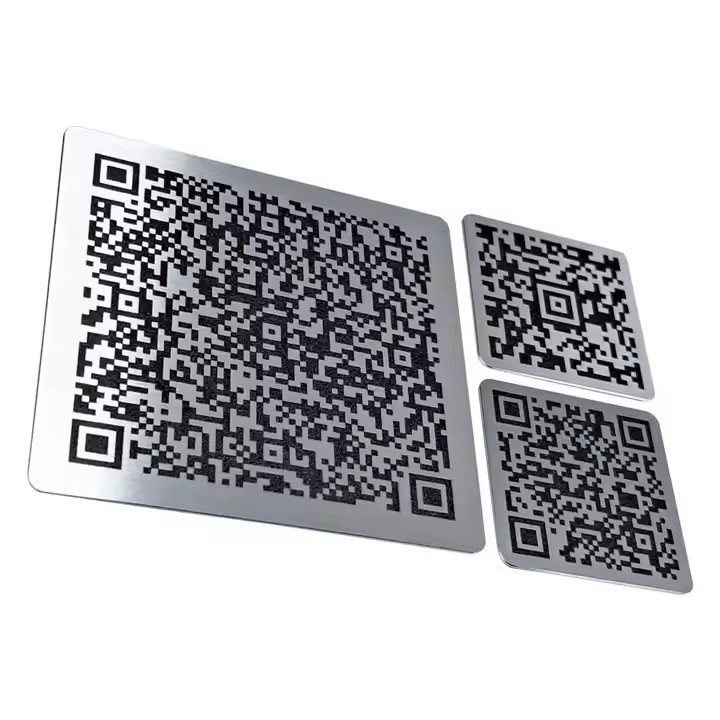
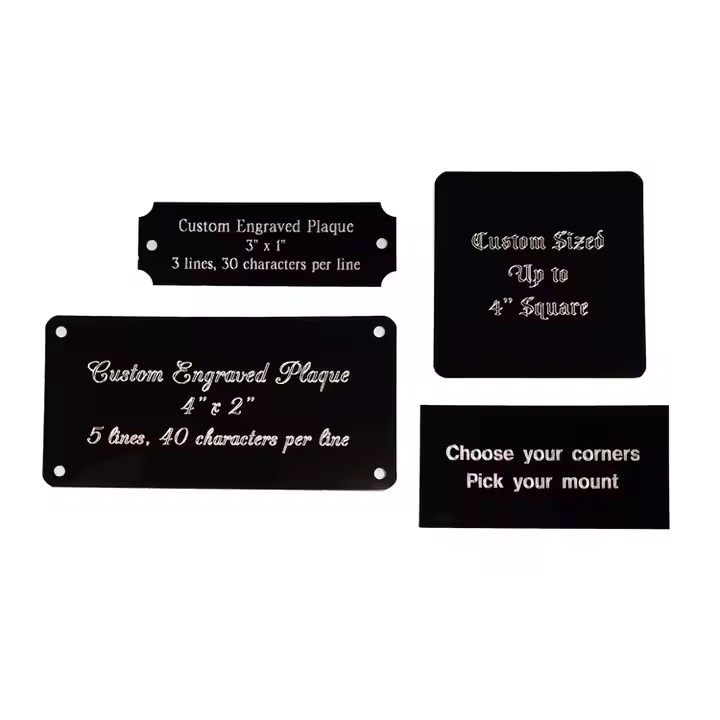
Laser engraving, chemical etching, stamping, embossing.
-
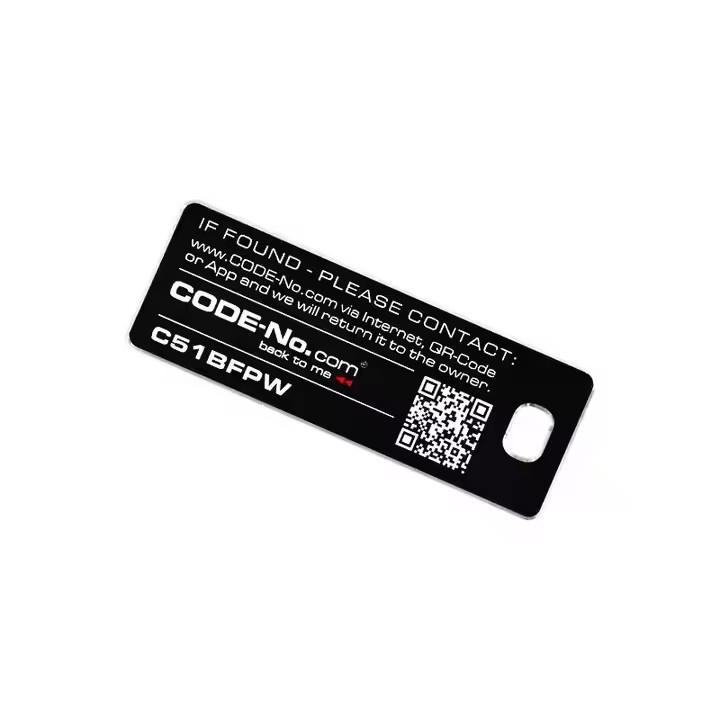
Supports barcodes, QR codes, serial numbers, logos.
-
Longer lead time but high precision.
Plastic Tags:
-
Digital or thermal printing.
-
Easier for colorful designs but less resistant to fading.
-
More flexible for shapes and short-run jobs.
Verdict: Metal offers higher durability; plastic is better for temporary or colorful needs.
5. Typical Use Cases
Metal Asset Tags:
-
Machinery & heavy equipment
-
Outdoor utilities & infrastructure
-
Hospitals and medical devices
-
IT & telecom assets
-
Aerospace and military gear
Plastic Asset Tags:
-
Office furniture and electronics
-
Retail or warehouse inventory
-
Short-term event tracking
-
Educational institutions
-
Light-use internal assets
Final Recommendation
| Criteria | Best Material |
|---|---|
| Harsh conditions | Metal |
| Indoor, low-risk use | Plastic |
| Longevity | Metal |
| Budget constraints | Plastic |
| Professional appearance | Metal |
When in doubt, choose metal asset tags for reliability and performance. For short-term, low-value, or indoor applications, plastic tags are a budget-friendly alternative.
Conclusion
The choice between metal vs plastic asset tags ultimately depends on where and how the tag will be used. If your environment is demanding, if compliance and traceability are priorities, or if long-term durability is essential—metal is the clear winner. For simple or temporary asset tracking, plastic can be sufficient.
📌 Need help choosing or customizing asset tags? We offer both metal and plastic tag solutions with full customization, bulk discounts, and expert support. Contact us for a free consultation or sample!