

Introduction
Choosing the right material for cable tags is crucial to ensure reliable identification, durability, and safety in various industrial and commercial settings. Cable tags must withstand environmental challenges such as temperature fluctuations, moisture, chemicals, and mechanical wear. This article guides you through the factors to consider when selecting the best material for your cable tags.
Factors to Consider When Choosing Cable Tag Materials
1. Environmental Conditions
-
Temperature Resistance:
Consider the operating temperature range where the tags will be used. Metals like stainless steel and aluminum perform well in extreme heat or cold, while plastics may degrade under harsh temperatures. -
Moisture and Corrosion Resistance:
If tags are exposed to moisture, rain, or corrosive substances, choose corrosion-resistant materials such as anodized aluminum or stainless steel to prevent rust and deterioration. -
Chemical Exposure:
In industrial environments with chemical exposure, materials resistant to acids, solvents, and oils are essential. Metals and specially coated tags offer better protection than standard plastics.
2. Durability and Longevity
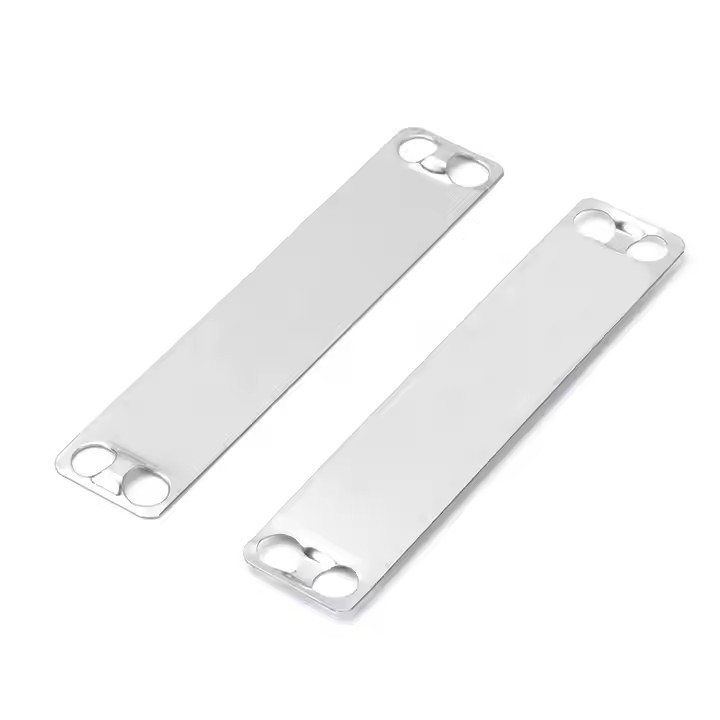
Metal tags, especially stainless steel and brass, are highly durable and provide long-term readability through engraving or etching. Plastic tags are generally less durable but can be suitable for indoor or less demanding environments.
3. Identification Method Compatibility
Some materials work better with specific marking methods:
-
Laser Engraving: Metals like aluminum, stainless steel, and brass produce crisp, permanent markings.
-
Printing: Plastics and coated metals may support printed or thermal transfer labels but can fade over time.
-
Etching: Metals with appropriate coatings can be chemically etched for durable identification.
4. Application and Industry Requirements
Different industries may have specific standards or preferences for tag materials. For example:
-
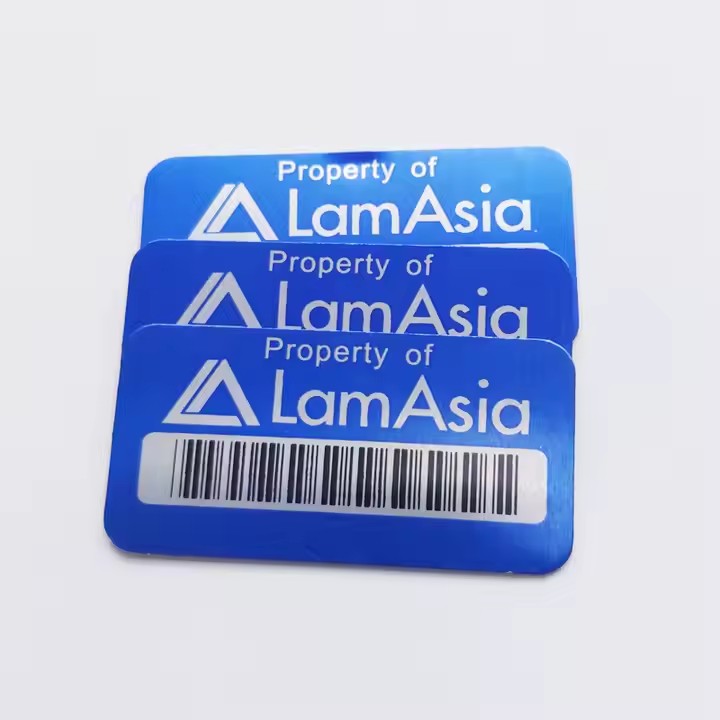
Electrical and telecom industries often use anodized aluminum for its insulation and durability.
-
Manufacturing may prefer stainless steel for harsh factory conditions.
-
Outdoor utilities require weather-resistant metals or coated plastics.
5. Cost Considerations
While metal tags typically cost more upfront, their longevity can reduce replacement frequency and overall expenses. Plastic tags offer lower initial costs but may require more frequent replacements.
Common Cable Tag Materials Overview
| Material | Key Features | Best Applications |
|---|---|---|
| Aluminum | Lightweight, corrosion-resistant | Electrical, telecom, general use |
| Stainless Steel | High strength, excellent durability | Harsh environments, outdoor use |
| Brass | Corrosion-resistant, decorative | Industrial, identification tags |
| Polyester/Vinyl | Flexible, cost-effective | Indoor use, low-stress environments |
Conclusion
Selecting the right cable tag material depends on understanding your environmental challenges, durability needs, marking methods, and budget. Metals like aluminum and stainless steel offer unmatched longevity and resistance, while plastics provide cost-effective solutions for lighter-duty applications. Assess your specific requirements carefully to choose cable tags that deliver reliable performance and clear identification over time.