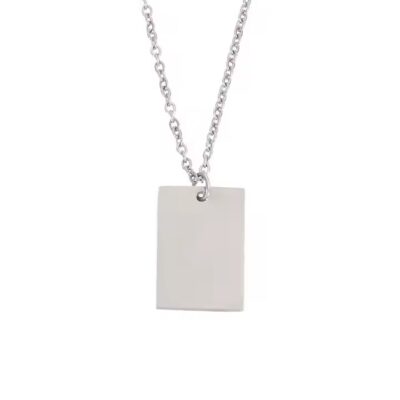
Detailed Guide on Design and Size Standards for Rectangle Metal Tags
Rectangle metal tags are widely used across many industries due to their versatile shape, ease of customization, and practical applications. Whether for asset tracking, equipment identification, or branding, understanding the design and size standards of these tags is crucial for manufacturers, wholesalers, and customers.
1. Importance of Standardized Design for Rectangle Metal Tags
A well-designed metal tag ensures readability, durability, and compatibility with various mounting options. Standardization helps maintain consistency in production and guarantees the tag fits the intended application perfectly.
2. Common Materials Used for Rectangle Metal Tags
-
Stainless Steel: Known for corrosion resistance and durability, ideal for harsh environments.
-
Aluminum: Lightweight and corrosion-resistant, suitable for general-purpose tags.
-
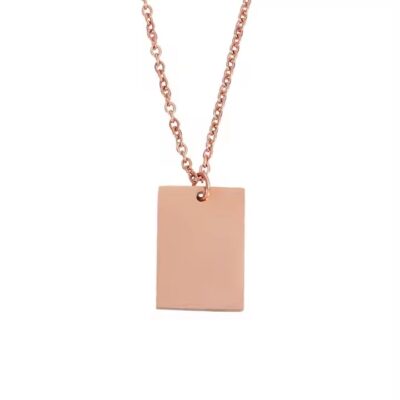
Brass/Copper: Offers aesthetic appeal and excellent conductivity, often used in decorative or specialized applications.
3. Typical Size Ranges and Thickness
The size of rectangle metal tags can vary widely depending on their use, but the most common dimensions include:
-
Small Tags: 25mm x 10mm (1″ x 0.4″) – often used for compact equipment or tool identification.
-
Medium Tags: 50mm x 25mm (2″ x 1″) – popular for general asset tags and barcode labels.
-
Large Tags: 100mm x 50mm (4″ x 2″) – suitable for detailed information or branding purposes.
Thickness: Usually ranges from 0.3mm to 1.5mm, balancing durability and weight.
4. Design Elements to Consider
-
Text and Font Size: Text should be clear and legible. For standard tags, font sizes typically range from 6pt to 12pt depending on tag size.
-
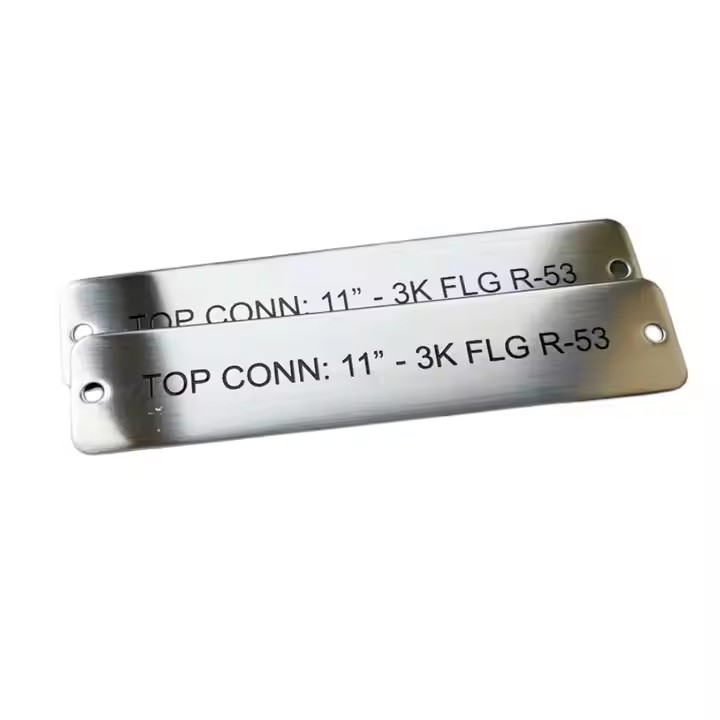
Hole Placement: Holes for mounting or chaining are commonly placed at corners or centered along edges. The hole diameter usually ranges from 3mm to 6mm.
-
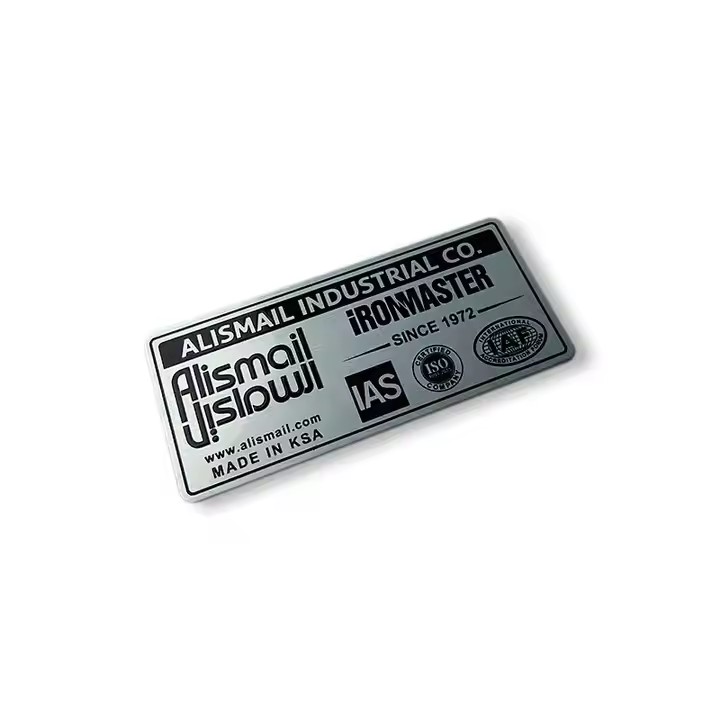
Borders and Margins: Maintaining a clear margin around text or logos prevents wear and improves readability.
-
Surface Finish: Options include matte, brushed, polished, or anodized finishes to enhance aesthetics and resistance.
5. Customization Options
Many manufacturers offer custom shapes, sizes, and printing or engraving options to tailor the tags to specific requirements. It’s important to communicate your exact needs regarding size and design with your supplier.
6. Industry Standards and Compliance
Some industries require tags to meet specific standards (e.g., ISO, MIL-STD). Understanding these requirements ensures your rectangle metal tags are compliant and reliable for critical applications.
Conclusion
Choosing the right design and adhering to size standards for rectangle metal tags is essential to optimize functionality and appearance. Manufacturers and buyers should consider the tag’s material, size, thickness, mounting options, and finish carefully to meet their specific needs.
If you are looking for custom rectangle metal tags, working with experienced manufacturers ensures you get high-quality tags designed to your exact specifications.