Comparison of Common Materials and Applications for Valve Tags
Valve tags play a vital role in the identification, safety, and maintenance of industrial piping and valve systems. Choosing the right material for these tags ensures their readability and longevity in harsh environments. In this article, we compare the most common materials used for valve tags—stainless steel, aluminum, brass, and plastic—to help you select the best option for your needs.
1. Why Material Matters in Valve Tags
The material of a valve tag impacts:
-
Durability and resistance to corrosion, heat, and chemicals
-
Cost-effectiveness for large-scale labeling
-
Application compatibility (indoor vs. outdoor, industrial vs. commercial)
-
Marking method suitability (engraving, stamping, laser, or print)
2. Common Valve Tag Materials Compared
| Material | Durability | Corrosion Resistance | Temperature Resistance | Appearance | Typical Use Cases |
|---|---|---|---|---|---|
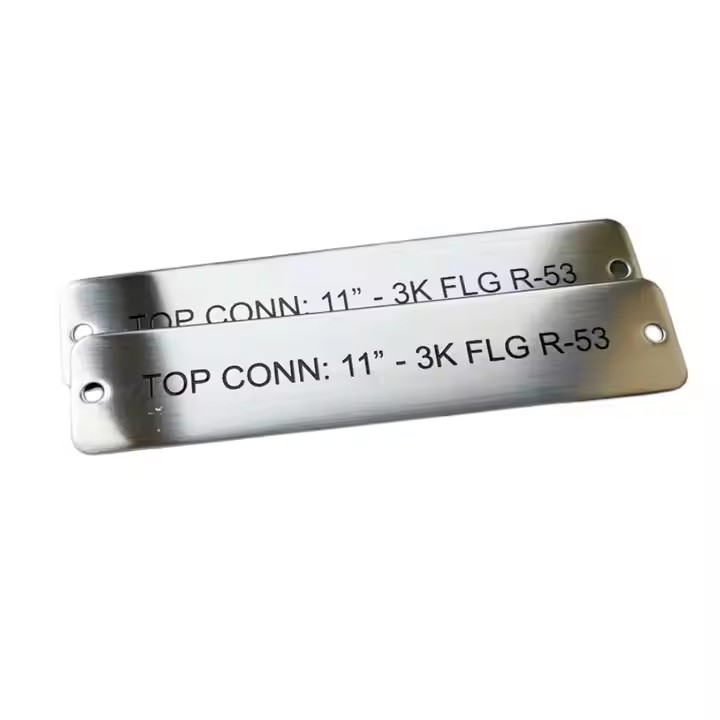
| Stainless Steel | ★★★★★ | Excellent | Excellent | Industrial, Clean | Power plants, chemical plants, marine environments |
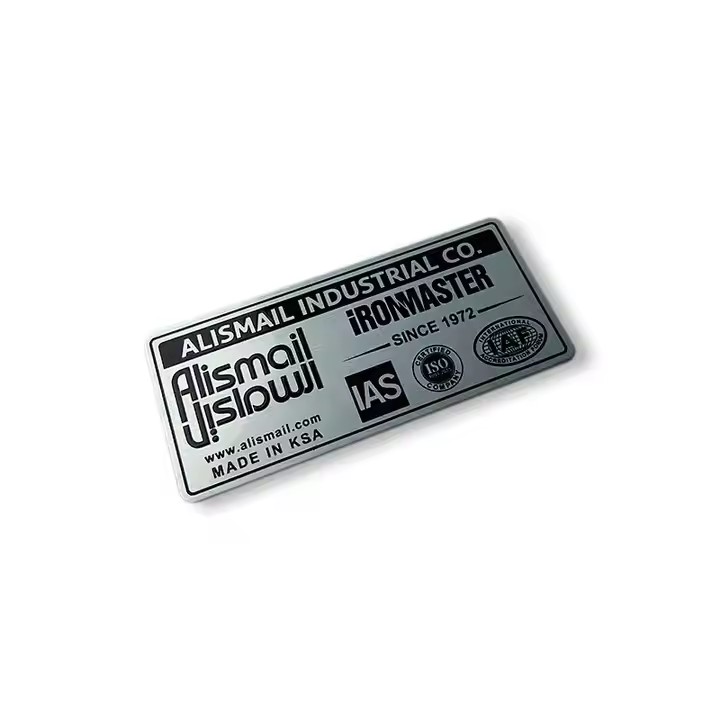
| Aluminum | ★★★★☆ | Good | Moderate | Lightweight, Matte | HVAC, water treatment, factories |
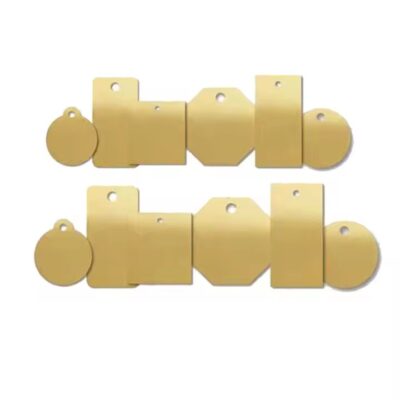
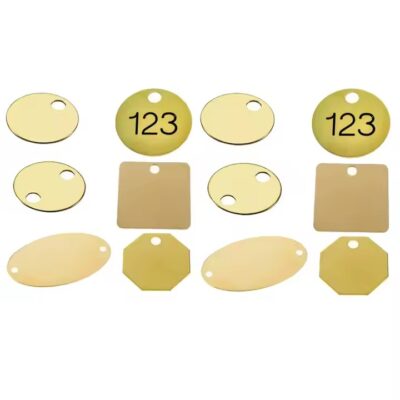
| Brass | ★★★★☆ | Good | Moderate | Classic, Polished | Commercial valves, decorative tags |
| Plastic | ★★☆☆☆ | Poor to Moderate | Low | Colorful | Temporary or indoor use only |
3. Stainless Steel Valve Tags
Pros:
-
Extreme durability
-
Rust-proof in high-moisture or chemical environments
-
Withstands high temperatures
Cons:
-
Heavier than other options
-
Higher cost
Best For:
Power plants, chemical processing, food production, and marine environments.
4. Aluminum Valve Tags
Pros:
-
Lightweight but strong
-
Good corrosion resistance
-
Cost-effective for large volumes
-
Suitable for laser marking or anodized color coding
Cons:
-
Not as strong as stainless steel
-
May fade over time in UV exposure (if untreated)
Best For:
HVAC systems, factory piping, moderate outdoor environments.
5. Brass Valve Tags
Pros:
-
Elegant appearance
-
Good corrosion resistance
-
Easy to stamp and engrave
Cons:
-
Softer than stainless steel
-
Can tarnish over time
Best For:
Decorative valve tags, commercial plumbing, architectural applications.
6. Plastic Valve Tags (for comparison)
Pros:
-
Inexpensive
-
Color options for coding
-
Easy to produce in bulk
Cons:
-
Low durability
-
Not suitable for extreme conditions or long-term use
Best For:
Short-term, indoor-only labeling.
7. Choosing the Right Material: Key Questions
Ask yourself the following before choosing a valve tag material:
-
Will the tag be exposed to moisture, chemicals, or UV rays?
-
Is long-term durability a priority?
-
Do you need engraving, color coding, or serial numbers?
-
Is weight or cost a major concern for your project?
8. Conclusion
Each valve tag material serves a different purpose:
-
Stainless steel is best for durability in harsh conditions.
-
Aluminum is a great balance of weight, cost, and performance.
-
Brass offers a premium look for visible or commercial applications.
-
Plastic is ideal for temporary or indoor use when budget is tight.
By understanding your operating environment and performance needs, you can select the best material to ensure safety, compliance, and easy valve identification for years to come.