Introduction
Wire markers are essential tools used to label and identify wires and cables in various electrical and industrial applications. Proper wire identification improves safety, simplifies maintenance, and enhances overall system organization. There are several types of wire markers, each designed to meet specific needs and environmental conditions. In this article, we will explore the most common types of wire markers and their practical applications.
1. Adhesive Wire Markers
Adhesive wire markers are labels that stick directly onto the surface of wires or cables. They are usually made of vinyl, polyester, or other durable materials with strong adhesives. These markers often feature printed or written identification information such as numbers, letters, or barcodes.
Applications:
Ideal for indoor environments with moderate temperature and humidity, such as office wiring, control panels, and telecommunications.
2. Heat Shrink Wire Markers
Heat shrink wire markers are sleeves that shrink tightly around cables when heated. These markers are typically made of heat shrink tubing materials with printed identification visible through the tubing.
Applications:
Suitable for harsh environments where durability and resistance to chemicals, moisture, and abrasion are required, such as automotive, aerospace, and industrial machinery.
3. Plastic or Metal Clip-On Markers
Clip-on wire markers are reusable tags that clip onto cables. They are commonly made from plastic or metal and can be easily attached or removed without damaging the wire.
Applications:
Used in situations requiring frequent cable re-identification or temporary labeling, such as in testing labs, temporary setups, or complex wiring systems.
4. Metal Wire Markers
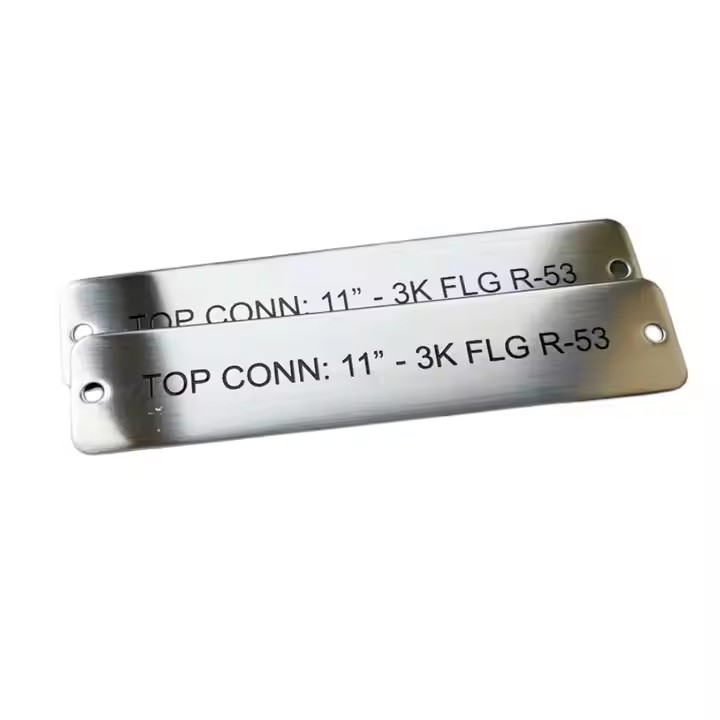
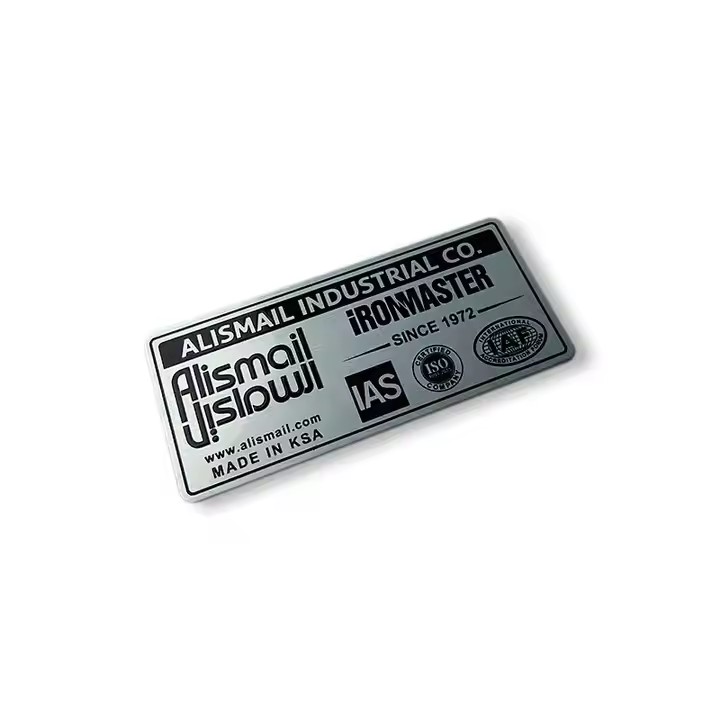
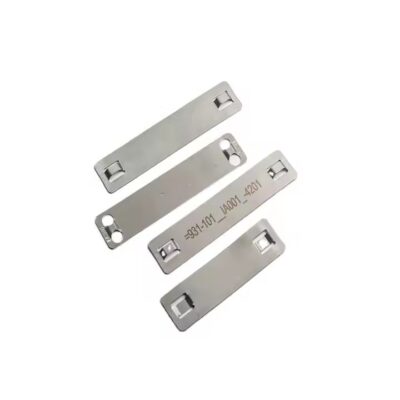
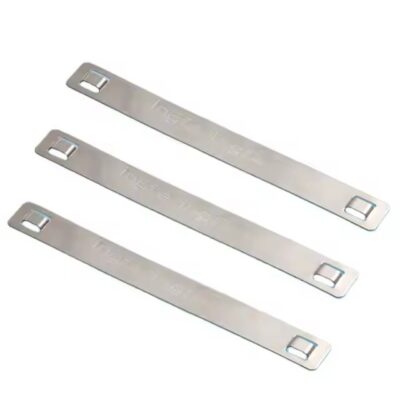
Metal wire markers are durable tags made from materials like aluminum, stainless steel, or brass. They are engraved or etched with identification information and attached to cables with ties or rivets.
Applications:
Perfect for outdoor or industrial environments with exposure to extreme temperatures, chemicals, or mechanical wear, including power plants, construction sites, and manufacturing facilities.
5. Cable Tie Markers
Cable tie markers combine cable ties with identification tags. These markers secure cables while providing visible labeling.
Applications:
Widely used in data centers, electrical panels, and network installations where space is limited and neat cable management is essential.
Conclusion
Selecting the right type of wire marker depends on the specific application requirements, environmental conditions, and durability needs. Adhesive markers offer convenience, heat shrink markers provide robust protection, clip-on markers ensure flexibility, metal markers guarantee longevity, and cable tie markers support organized cable routing. Understanding these types helps ensure efficient cable identification, maintenance, and safety across various industries.