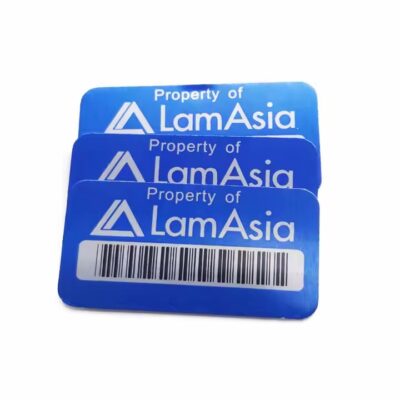
Metal QR Code Tags vs Paper Labels: What’s the Difference?
Introduction
In asset tracking and inventory management, choosing the right labeling solution is critical. Metal QR code tags and paper labels are two popular options, but they differ significantly in durability, performance, and suitability for various environments. This article explores these differences to help you make an informed choice.
1. Material and Durability
-
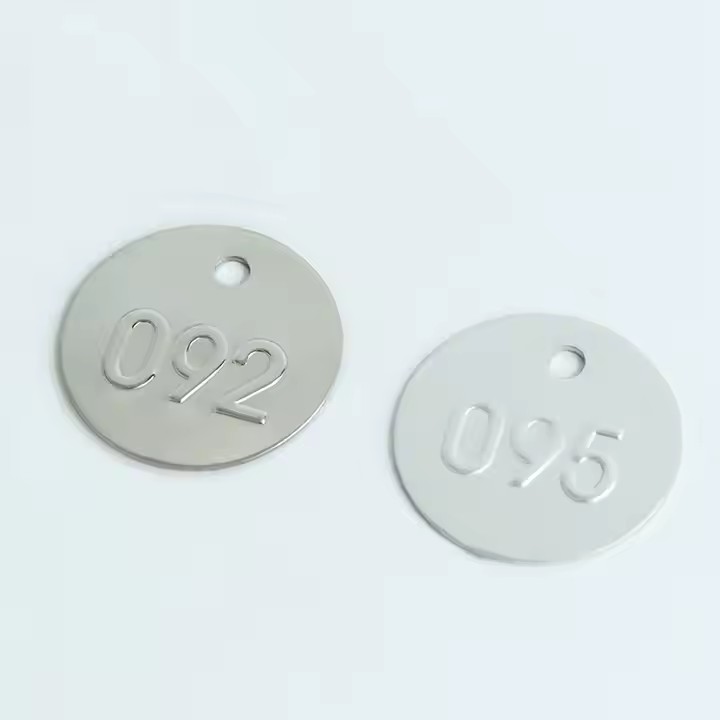
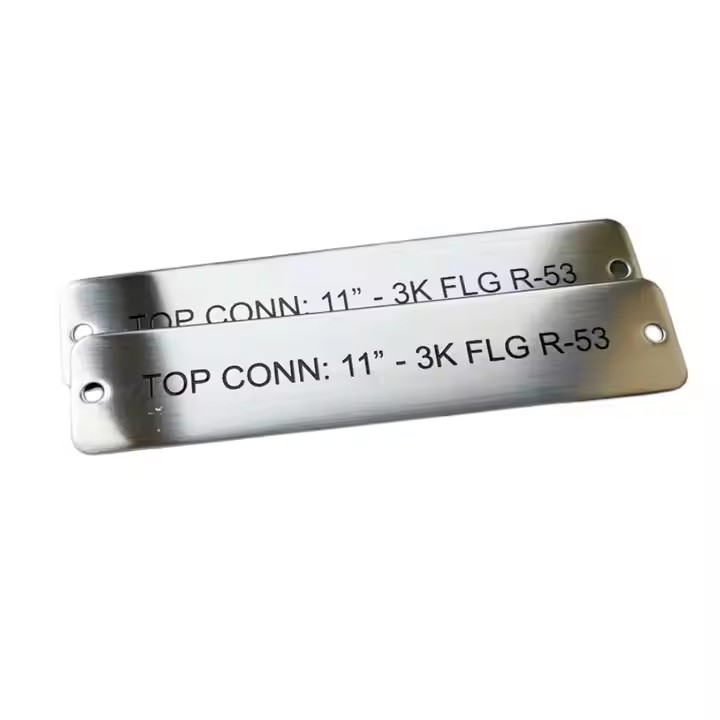
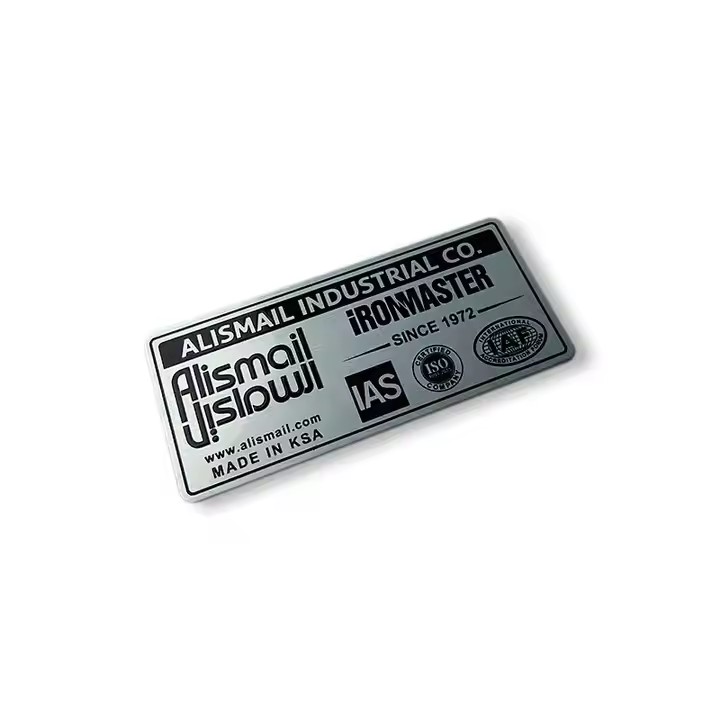
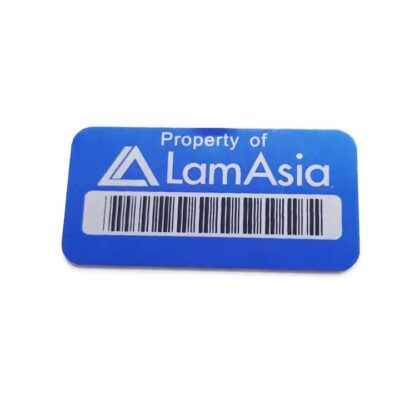
Metal QR Code Tags
Made from durable metals such as aluminum or stainless steel, these tags are designed to withstand harsh industrial environments. They resist abrasion, chemicals, moisture, UV exposure, and extreme temperatures. -
Paper Labels
Typically made from paper or thin plastic film, paper labels are prone to tearing, fading, and damage from moisture and chemicals. They are better suited for short-term or indoor use.
2. Longevity and Readability
-
Metal Tags
Metal QR code tags offer permanent readability. The QR codes are often laser engraved or etched, making them highly resistant to wear and tear, ensuring accurate scanning over years. -
Paper Labels
Paper labels degrade over time due to environmental exposure. The printed QR codes may fade or become unreadable after a few months, especially in outdoor or industrial settings.
3. Environmental Resistance
-
Metal Tags
Resistant to extreme weather conditions, metal tags maintain integrity in environments involving heat, cold, moisture, oil, and chemicals. They are ideal for outdoor and industrial applications. -
Paper Labels
Vulnerable to water damage, UV rays, and chemicals, paper labels are often unsuitable for harsh environments unless covered with protective laminates, which increase cost and complexity.
4. Customization and Cost
-
Metal Tags
Usually costlier due to materials and manufacturing processes like engraving. However, they provide excellent ROI through durability and reduced replacement frequency. Custom shapes, sizes, and finishes are available. -
Paper Labels
More affordable upfront and easier to produce quickly in large quantities. Customization is mainly limited to printing variations. Frequent replacements can increase long-term costs.
5. Application Scenarios
| Application | Metal QR Code Tags | Paper Labels |
|---|---|---|
| Industrial Equipment | Excellent | Not recommended |
| Outdoor Assets | Highly suitable | Poor durability |
| Temporary Labeling | Overqualified, expensive | Ideal |
| Warehouse Inventory | Preferred for long-term use | Suitable for short-term use |
| Medical Devices | Preferred for sterilization | Possible but less durable |
Conclusion
While paper labels may suit low-cost, short-term, or indoor labeling needs, metal QR code tags excel in demanding industrial, outdoor, and asset management environments. Investing in metal tags ensures long-term durability, accuracy, and lower maintenance, making them the preferred choice for professional and critical applications.
If you’re considering upgrading your asset tracking, metal QR code tags offer unmatched resilience and reliability. Contact us today to discuss your custom tagging solutions.